Quick Answer: Lip plumpers do work, but the “plumping” is mild swelling from irritation. Capsaicin, cinnamon and menthol increase blood flow and cause low-grade inflammation, which makes lips look fuller for a few hours. It is a legitimate cosmetic effect for occasional use, but the tingle is the irritation, not the ingredient working. If your lips are already dry or chapped, dermatologists advise avoiding tingling lip glosses entirely.
I owned a plumping gloss in my early twenties that made my lips sting, and I took the sting as proof it was working. Which, awkwardly, it was. Just not in the way I assumed.
The AAD puts this more bluntly than I would have dared: many people mistake burning, stinging or tingling as a sign the active ingredients are working, and that is not what is happening. You are irritating your lips.
Plumping lip glosses make your lips fuller by mildly irritating them. The tingle is not a side effect of the active ingredient. The tingle is the active ingredient doing its job. Capsaicin, cinnamon and menthol increase blood flow and cause a little inflammation, inflammation means swelling, and swelling means fuller lips for a few hours.
That is not a reason to throw yours away. It is a reason to know what you are buying, and to stop using one on lips that are already chapped.
Here is an honest guide to lip glosses: how the types actually differ, how to make gloss last without the stickiness, when a lip oil is the better choice, and the sun protection point that most lip articles skip.
The 5 types of lip glosses, honestly
| Type | What it does | Best for | Watch out for |
|---|---|---|---|
| High-shine | Light-reflecting particles, glass finish | Maximum shine, photos | Often the stickiest |
| Hydrating | Shea, squalane, oils, comfort plus shine | Dry lips, everyday wear | Less shine than high-shine |
| Tinted | Sheer colour plus gloss | Low-effort colour | Colour fades faster than lipstick |
| Plumping | Irritants cause temporary swelling | Occasional fuller look | The tingle is irritation |
| Long-wear | Film-formers, less transfer | All-day wear, events | Can be drying over hours |
If you’re picking one: hydrating tinted gloss is the most useful format for most people. Of all the lip glosses here, it is the one comfortable enough to wear daily, it gives colour and shine, and it does not need liner.
Do plumping lip glosses actually work?
Yes, and it is worth understanding how, because the mechanism determines how you should use one.
How they work
Plumping lip glosses contain irritants: capsaicin (from chilli), cinnamon, ginger, menthol, or peppermint. Applied to the thin skin of the lips, these activate nerve endings and increase blood flow to the area, producing mild inflammation.
Inflammation causes localised swelling, and swollen lips look fuller. That is the whole mechanism behind plumping lip glosses. The effect lasts roughly 1–4 hours and then fades completely.
Some formulas also include hyaluronic acid or peptides, which work differently and more gently. HA draws water into the surface of the lip for a subtler plumping effect without the tingle. If you want the look without the irritation, these are the lip glosses to look for.
What the AAD actually says to avoid
This is the part worth reading properly, because the AAD’s guidance on healing dry, chapped lips names a longer list of ingredients than most articles mention. While your lips are chapped, they say stop using lip products containing:
camphor, eucalyptus, menthol, phenol, lanolin, fragrance, propyl gallate, salicylic acid, octinoxate or oxybenzone, and flavourings, with cinnamon, citrus, mint and peppermint singled out as especially irritating.
Look at that list against the ingredient panel of most plumping lip glosses. Cinnamon, mint and menthol are precisely what makes them work.
Ingredients that help instead: ceramides, dimethicone, shea butter, castor seed oil, hemp seed oil, mineral oil, petrolatum or white petroleum jelly. Fragrance-free and hypoallergenic. If your lips are cracked, AAD suggests a thick ointment over a wax or oil, because ointment seals water in for longer.
The honest verdict
Occasional use is fine. Plumping lip glosses before a night out are a reasonable cosmetic choice, and the effect is real.
Daily use of plumping lip glosses is not a great idea, particularly if your lips run dry. You are repeatedly inflaming skin that has no oil glands and a very thin barrier.
If your lips are currently chapped, do not use one at all. You will make it worse, then reach for the plumper again because your lips look thin. That loop is common.
Stop immediately if you get swelling that does not settle within a few hours, persistent redness at the lip line, peeling, or any burning that is more than mild. A reaction to a lip product is contact dermatitis and it is not rare.
And if chapping does not clear in two to three weeks of gentle care, the AAD says see a dermatologist, because the cause may be an allergic reaction, a yeast infection, or actinic cheilitis rather than the weather.
The thing most lip articles skip: your lips burn
Nobody puts sunscreen on their lips, and they should, because almost no lip glosses will do it for you.
Lips contain very little melanin, so they have almost no natural UV defence. The lower lip in particular gets direct overhead sun and is a recognised site for sun damage. Actinic cheilitis is the precancerous condition to know about: it turns one or both lips persistently dry and scaly, and it needs a dermatologist rather than another balm.
The AAD recommends a non-irritating lip balm with SPF 30 or higher before going outdoors, including in winter, and reapplied every 2 hours while you are out there. Chapped lips burn more easily, and sunburned lips can trigger cold sores.
Choose your filter carefully. The AAD names titanium oxide and zinc oxide as the sun-protective ingredients to look for, and separately lists octinoxate and oxybenzone among the ingredients to avoid on chapped lips. So a mineral SPF lip balm is the safer pick, and “SPF 30” on the front of the tube is not enough information on its own.
Where lip glosses fit in: most contain no SPF at all. Apply an SPF balm first, let it set for a minute, then gloss over the top if you want shine. Or use an SPF-containing gloss for daytime and save the rest of your lip glosses for evening.
This is the single most useful thing in this article and it is the part that gets left out of every “best lip glosses” roundup.
Lip glosses vs lip oils: which do you want?
The question people actually have in 2026, since lip oils took over.
| Lip glosses | Lip oils | |
|---|---|---|
| Finish | High shine, sometimes glassy | Soft sheen, more natural |
| Texture | Thicker, can be sticky | Light, slippery |
| Wear time | Longer | Shorter, needs reapplying |
| Care benefit | Minimal | Real, from nourishing oils |
| Colour | Clear to full tint | Usually sheer |
| Best for | Shine that lasts, photos | Comfort, dry lips, everyday |
Short answer: lip glosses for shine and staying power, lip oils for comfort and lip condition. Most people end up owning both, oil for the day and gloss for going out.
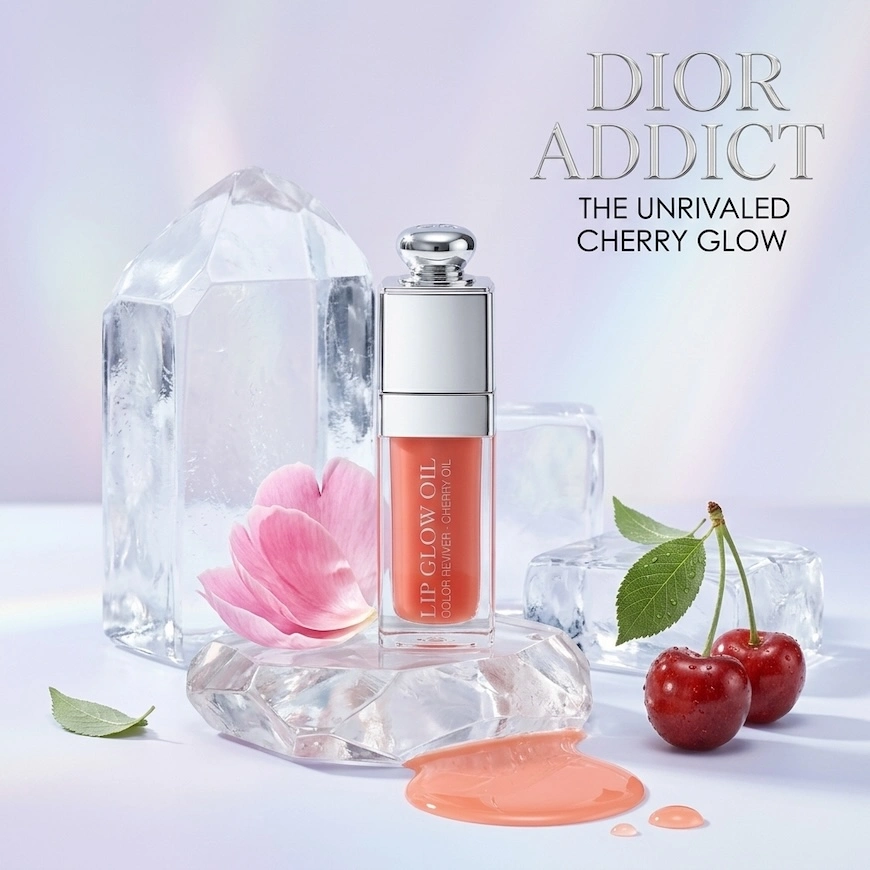
I reviewed one of the better lip oils in detail in my Dior lip oil review, including whether the price is justified and which cheaper options come close.
How to apply lip glosses so they last (and aren’t sticky)
1. Prep first. Lip glosses sit badly on flaky lips. Gently buff with a damp washcloth or a soft toothbrush, not a harsh sugar scrub, which is too abrasive for lip skin. Then balm, and let it absorb for a minute.
2. Line if you want definition. Lip liner in a shade close to your natural lips stops gloss migrating into the lines around your mouth, which is the main reason gloss “bleeds.” Skip it for a casual look and use it if you are wearing gloss for hours.
3. Apply lip glosses from the centre outward. Start at the middle of the lower lip and blend toward the corners. Press your lips together once, not repeatedly.
4. Less than you think. Over-applying is what creates the sticky, heavy feeling people dislike about lip glosses. Build a second thin layer if you want more shine.
5. To cut stickiness: blot once with a tissue. You lose a little shine and most of the tack.
6. For longer wear: apply a matching lip stain or a thin layer of lipstick underneath, then gloss on top. The colour survives even after the shine wears off, so you do not look like you have lost your lip colour halfway through dinner.
7. Reapply after eating. No gloss survives a meal. Anything claiming otherwise is a transfer-proof liquid lipstick, not a gloss.
8. Stop licking your lips. The AAD flags this specifically: as saliva evaporates your lips get drier, so the habit that feels like relief is making the problem worse. Picking and biting do the same. Reach for balm instead.
Fixing the four common complaints
“It’s too sticky.” Blot once, apply less, or switch to an oil-based or non-sticky formula. Stickiness usually comes from high polybutene content, the ingredient that creates that glassy shine. Shine and tack are traded off against each other.
“My hair sticks to it.” Same fix: less product, and blot. A lip oil is a better choice on windy days.
“It bleeds around my lips.” Use a liner as a barrier, and check whether you are over-applying at the edges.
“It disappears in twenty minutes.” Normal for a pure gloss. Layer over a stain or lipstick if you need it to survive longer.
The bottom line
Plumping lip glosses work by irritating your lips. Fine occasionally, a poor idea daily, and a bad idea if your lips are already chapped. The AAD’s position is worth repeating: if a lip product stings, that is not the product working, that is your lips being irritated.
For everyday wear, a hydrating tinted gloss over a mineral SPF balm gives you shine, colour and sun protection, which is more than most lip routines manage.
And put SPF on your lips. It is the one recommendation here that is not cosmetic.
Related: Dior lip oil review if you are weighing gloss against oil, and my 5-minute makeup routine if a tinted balm is as far as you want to go on a weekday.

Hi, I’m Marwa ✅
I test skincare, haircare, and makeup on real skin and a real budget, and writes the honest reviews to prove it.