Quick Answer:You cannot cure chicken skin, but you can control it. The evidence-backed answer to how to get rid of chicken skin is a daily keratolytic (urea 10–20%, lactic acid 10–12%, or salicylic acid 2–5%) plus a thick moisturizer on damp skin. Clinical reviews report visible improvement within 4 weeks and continued gains through 12 weeks. Stop the routine and the bumps return, so treat it as maintenance rather than a fix.
Every summer I have the same conversation with someone. Sleeveless top, sudden self-consciousness, and the question: what are these bumps on my arms, and why won’t they go away?
They are keratosis pilaris. Chicken skin. Around 40% of adults have them, most people have never had it named for them by a doctor, and the internet is full of confident advice ranging from “just exfoliate harder” to elaborate elimination diets. Some of that advice will actively make it worse.
So this is the version with sources. Here is what chicken skin actually is, what causes it, what the clinical evidence says works, what does not, and a realistic 12-week plan. Fair warning before you read on about how to get rid of chicken skin: there is no cure, and anyone telling you otherwise is selling something.
What is chicken skin?
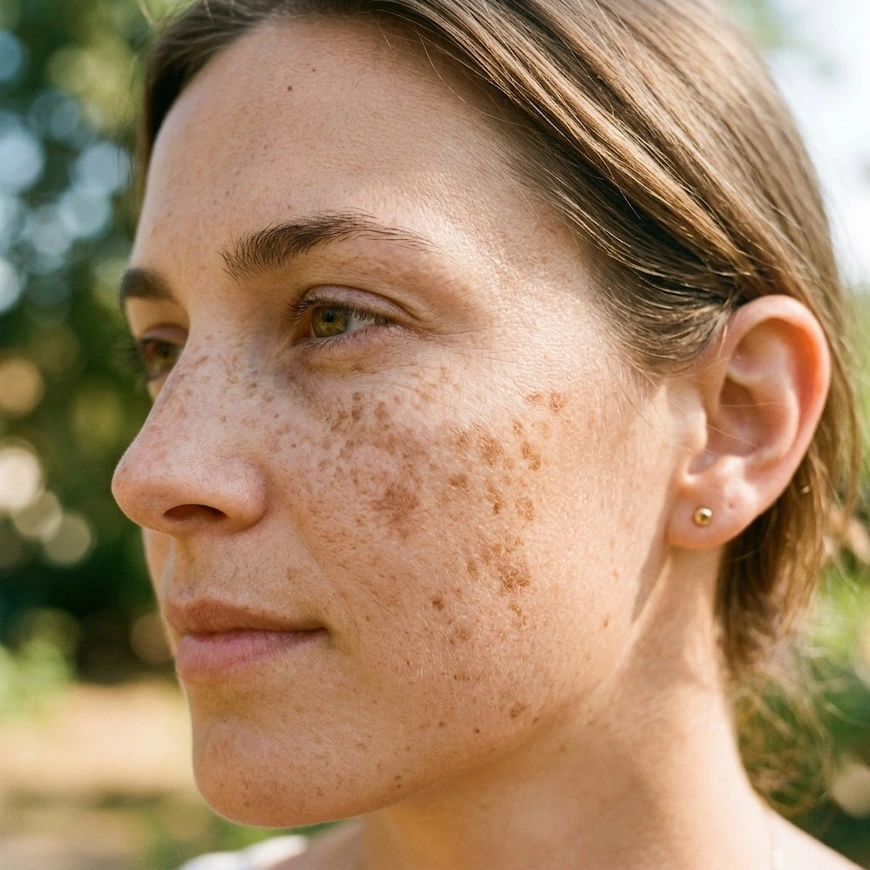
Chicken skin is the common name for keratosis pilaris (KP): small, rough bumps, usually on the backs of the upper arms, the fronts of the thighs, the buttocks, or the cheeks. They can be skin-coloured, red, or brown depending on your complexion, and the texture is often described as sandpaper or plucked poultry, which is where the nickname comes from.
The mechanism matters, because it explains why certain treatments work and others cannot.
Your skin produces keratin, a structural protein. In KP, excess keratin builds up and forms a plug at the opening of a hair follicle. That plug is the bump. Sometimes a fine hair is trapped underneath it, coiled and unable to break through, which is why KP and ingrown hairs often show up together.
That is the whole condition. It is not an infection, it is not contagious, it has no health consequences, and it is not caused by poor hygiene. MedlinePlus classifies it as a harmless skin condition, and the American Academy of Dermatology says the same.
It is also very common in people with dry skin, eczema, or a family history of either, and those cases tend to be the most stubborn to treat.
What causes chicken skin?
Five genuine contributors. These are causes. Treatment comes after, in its own section, because understanding the cause is what makes the question of how to get rid of chicken skin answerable in the first place.
1. Genetics
KP runs in families and is generally considered to be inherited in an autosomal dominant pattern, meaning one affected parent is enough to pass on the tendency. If a parent or sibling has it, your odds go up substantially.
This is the largest single factor, and the one you can do nothing about. Worth knowing so you stop looking for something you did wrong.
2. Keratin overproduction and follicular plugging
The direct mechanical cause. Excess keratin accumulates around the follicle opening and hardens into a plug. Research on the epidermal permeability barrier in keratosis pilaris points to barrier dysfunction as part of the picture. The skin’s outer layer is not holding water properly, and the abnormal keratinization follows.
That is why moisturizers are not just a comfort measure here. Barrier repair is treatment.
3. Dry skin and cold weather
KP is famously seasonal. Most people find it worst in winter, because low humidity, indoor heating, and hot showers all pull water out of the skin, and dehydrated skin makes plugs more pronounced.
Many people find it improves in summer. Some of that is humidity, some of it is sun exposure temporarily smoothing texture. Do not take that as a reason to tan. The effect is cosmetic and short-lived, and you are trading it for photodamage.
4. Associated skin conditions
KP is strongly associated with atopic dermatitis (eczema), ichthyosis vulgaris, and general dry skin types. If you have any of those, KP is more likely and often more stubborn.
It is also more common during puberty and pregnancy, and can flare with hormonal shifts.
5. Friction and irritants
Tight sleeves, backpack straps, harsh soaps, fragranced body washes, and aggressive scrubbing all aggravate KP. They do not cause it, but they reliably worsen redness and inflammation around the bumps.
What does not cause chicken skin
Two things get repeated constantly and deserve correcting:
- Diet. There is no established evidence that gluten, dairy, or sugar cause or worsen KP. You will find plenty of anecdotal reports and zero controlled trials. Before you eliminate food groups over bumpy arms, understand that you would be acting on no evidence.
- Poor hygiene. KP has nothing to do with cleanliness, and scrubbing harder to “get them out” is one of the most common ways people make their KP angrier.
How to get rid of chicken skin: what the evidence actually shows
Here are the numbers behind the standard advice. A 2025 literature review in Cureus pulled together the clinical evidence on topical keratolytics, and this is what the underlying trials found:
| Ingredient | Concentration | Reported result | Timeframe |
|---|---|---|---|
| Lactic acid(AHA) | 10% | 66% mean reduction in lesions | Twice daily, 12 weeks |
| Salicylic acid(BHA) | 5% | 52% mean reduction in lesions | Twice daily, 12 weeks |
| Urea | 20% | Significant texture improvement | As early as 1 week, sustained at 4 |
| Glycolic acid(AHA) | 50–70%, in-clinic peel only | Improved roughness and follicular pigmentation short-term; effect gone by 5 years | 4 sessions over 60 days |
How to read this table honestly. The lactic acid and salicylic acid figures come from a single split-side trial comparing the two directly, which is the same study linked in the causes section above. The review’s own stated limitations are small sample sizes, inconsistent outcome measures, limited blinding, and short follow-up. These are real findings from real trials, but they are not enormous, rigorous ones. Treat the numbers as directional.
One important warning on that last row. The glycolic acid results came from 50% to 70% peels applied in a clinic by a professional, with a neutralizing solution afterward, not from a lotion you buy and use at home. Do not attempt that concentration yourself. Only nine of the original twenty-five participants were assessed at the five-year mark, and by then their skin was statistically no different from before treatment, which is the clearest illustration in the literature that this is a maintenance condition.
The practical takeaway for how to get rid of chicken skin is still clear:
- Want the fastest visible change? Urea 20%. It was the quickest to show results in the literature.
- Want the biggest improvement over a season? Lactic acid 10–12%, applied consistently.
- Have red, inflamed KP rather than just texture? Salicylic acid, which penetrates oil and calms follicular inflammation.
The AAD’s treatment page names urea, lactic acid, alpha hydroxy acid, glycolic acid, salicylic acid, and retinoids as the working ingredient list, which lines up with the trial data.
The 12-week routine for how to get rid of chicken skin
This is the plan I would give a friend who asked me how to get rid of chicken skin. Four steps, about three minutes a day.
Step 1: change how you shower (week 1)
Before you buy anything, fix the shower. This is free and it is the highest-leverage change available.
- Warm, not hot. Hot water strips the lipids that hold water in your skin. If your skin is pink when you get out, it was too hot.
- Short. 5–10 minutes.
- Swap your body wash. Fragranced gels and bar soaps are drying. Use a gentle, fragrance-free, non-soap cleanser.
- Pat dry, don’t rub. Leave the skin slightly damp.
The AAD’s tips for relieving dry skin cover the same ground and are worth reading in full if your skin is dry generally.
Step 2: apply your keratolytic (start week 1, build slowly)
Pick one from the table above. Do not layer three acids. You will wreck your barrier and end up with red, stinging skin on top of bumpy skin.
- Start 3 nights a week, not nightly. Build to daily over 3–4 weeks as your skin tolerates it.
- Apply to dry skin, not damp. Acids penetrate more aggressively on damp skin.
- Skip broken or freshly shaved skin. Wait 24 hours after shaving.
- If it stings for more than a minute or leaves you red the next morning, drop back a night.
Step 3: moisturize on damp skin, within 3 minutes (every day, forever)
This is the step people skip, and it is the one that determines whether the acid works.
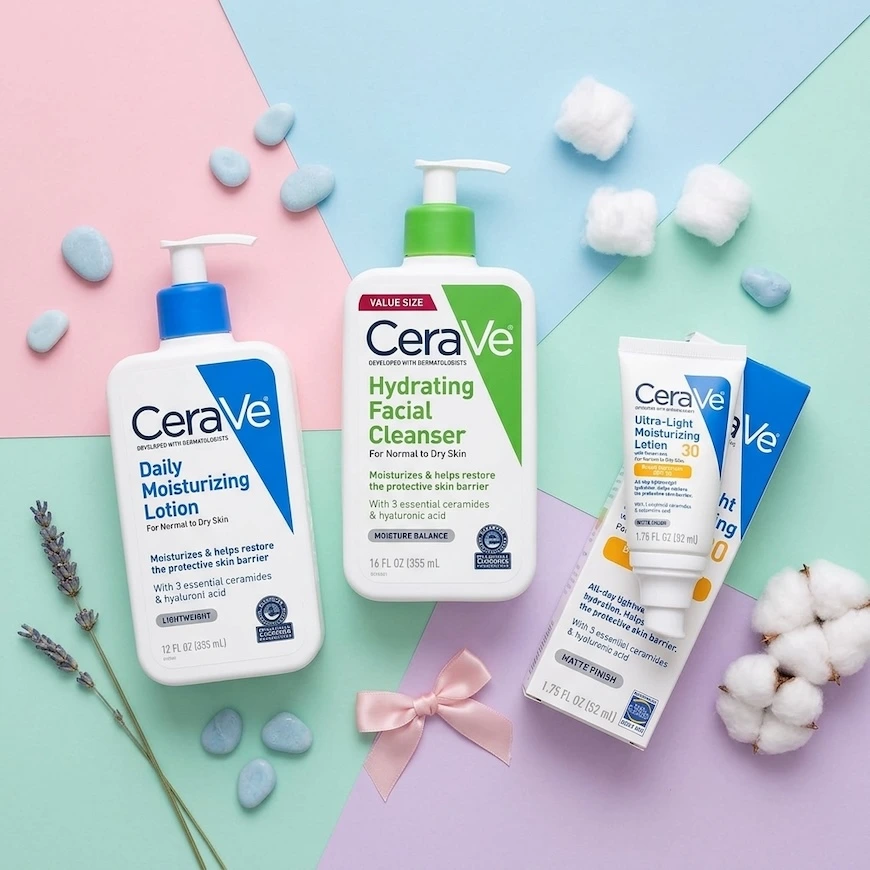
Within three minutes of getting out of the shower, while your skin is still damp, apply a thick cream or ointment rather than a thin lotion. You are trapping the water that is still in the skin. Look for ceramides, glycerin, or petrolatum.
If you do only one thing from this entire article, do this one.
Step 4: protect and wait (weeks 4–12)
- Loose sleeves. Reduce friction on the affected areas.
- Humidifier in winter if you are in a dry climate or have forced-air heating.
- Sunscreen on exposed areas. Acids increase photosensitivity.
- Don’t pick. Picking at plugs causes post-inflammatory marks that outlast the bumps by months.
Expected timeline: texture starts softening around week 2–4. Redness takes longer, often 8–12 weeks. The AAD says if there’s no improvement after 4–6 weeks, tell your dermatologist.
What doesn’t work, and what makes it worse
Half of learning how to get rid of chicken skin is learning what to stop doing.
Physical scrubs and exfoliating brushes. The single most common mistake. Scrubbing does not remove a keratin plug anchored in the follicle. It inflames the surrounding skin, so you end up with the same bumps, now red. Chemical exfoliation dissolves the bonds holding dead cells together. Abrasion just hurts.
Popping or extracting the bumps. There is nothing in there to extract. You will cause scarring and dark marks.
Elimination diets. No controlled evidence. If you want to test it, do it properly with a dietitian rather than cutting out three food groups on a hunch.
Coconut oil alone. A fine occlusive on top of treatment, but it does not exfoliate. It will not shift the plugs by itself.
Anything promising a permanent cure. The AAD’s position is unambiguous: treatment cannot cure keratosis pilaris. Stop treating, and it returns. The product has not failed you. That is simply how the condition behaves.
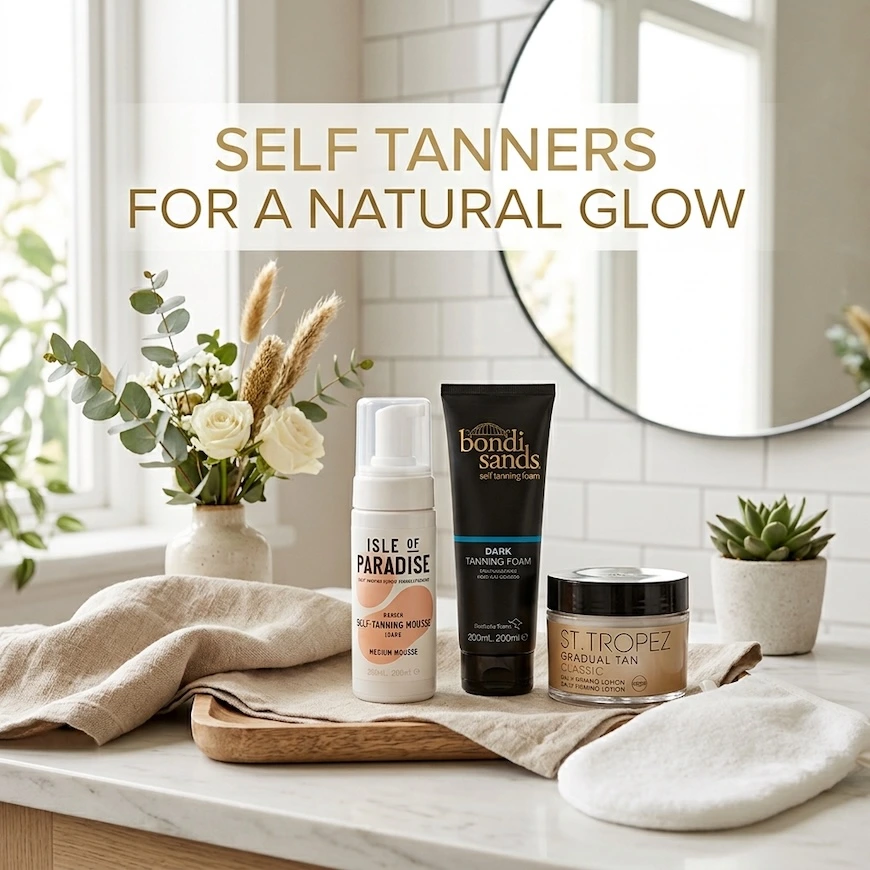
Tanning. Sun exposure can temporarily mask the texture. It also damages skin and worsens the pigmentation left behind after inflammation.
When to see a dermatologist
Most KP never needs a doctor, and most people can work out how to get rid of chicken skin on their own. See one if:
- You have been consistent for 6 weeks with no change
- The bumps are painful, itchy, or spreading
- There is significant redness on the face (keratosis pilaris rubra faciei, which is more difficult and worth prescription help)
- You are seeing scarring or hair loss in the affected areas
- It is affecting how you feel about being seen. That is a legitimate reason, not a vain one.
A dermatologist can prescribe stronger retinoids (tretinoin, tazarotene, adapalene) or higher-strength urea, and can rule out the conditions KP is sometimes mistaken for.
For persistent cases with a strong ingrown-hair component, laser is sometimes discussed. I went through whether it is worth it in laser hair removal for keratosis pilaris. The short version is that it addresses the trapped-hair part of the problem, not the keratin part, so expectations matter.
Frequently asked questions
How long does it take to get rid of chicken skin?
Texture typically improves in 2–4 weeks with a daily keratolytic, and clinical trials measured continued improvement through 12 weeks. Redness takes longest. If nothing has changed by 6 weeks, see a dermatologist.
What is the best ingredient for keratosis pilaris?
Urea 20% showed the fastest results in the clinical literature, with improvement as early as one week, while lactic acid 10% showed the largest reduction in lesions over 12 weeks. Salicylic acid is the better choice when redness dominates over texture.
Does exfoliating get rid of chicken skin?
Chemical exfoliation helps. Physical scrubbing generally does not, and often makes it worse. Acids dissolve the bonds between dead skin cells, while scrubs abrade the surface and inflame the follicle.
Is chicken skin caused by a vitamin deficiency?
Not in typical cases. Severe vitamin A deficiency can produce similar follicular changes, but that is rare in well-nourished populations, and ordinary KP is genetic. Do not supplement vitamin A for KP without medical supervision. It is fat-soluble and accumulates.
Can a chemical peel get rid of chicken skin permanently?
No. The five-year follow-up on high-concentration glycolic acid peels found participants had returned to roughly where they started. Peels can help short-term, but they do not change the underlying tendency, which is why every credible answer to how to get rid of chicken skin ends up being a maintenance routine.
Can I shave over keratosis pilaris?
Yes, carefully. Sharp blade, shaving gel, with the grain. Avoid applying acids for 24 hours afterward. Dull blades and dry shaving are a reliable way to turn KP into a rash.
The bottom line
Chicken skin is harmless, common, genetic, and manageable. Pick one keratolytic, urea 20% for speed or lactic acid 10–12% for the biggest twelve-week gain, use it three nights a week and build up, moisturize on damp skin every single day, and stop scrubbing.
Give it six weeks before you judge it. Then keep going, because with how to get rid of chicken skin, maintenance is the whole game.
Related reading: if dryness is your underlying issue, my drugstore skincare routine under $50 covers barrier repair on a budget, and the correct order to layer skincare products applies to body care too. Acids before moisturizer, always.
Medical disclaimer: This article is for general informational purposes and does not constitute medical advice. Keratosis pilaris is a clinical diagnosis. Consult a board-certified dermatologist for diagnosis and treatment. Do not start prescription treatments without medical supervision.

Hi, I’m Marwa ✅
I test skincare, haircare, and makeup on real skin and a real budget, and writes the honest reviews to prove it.