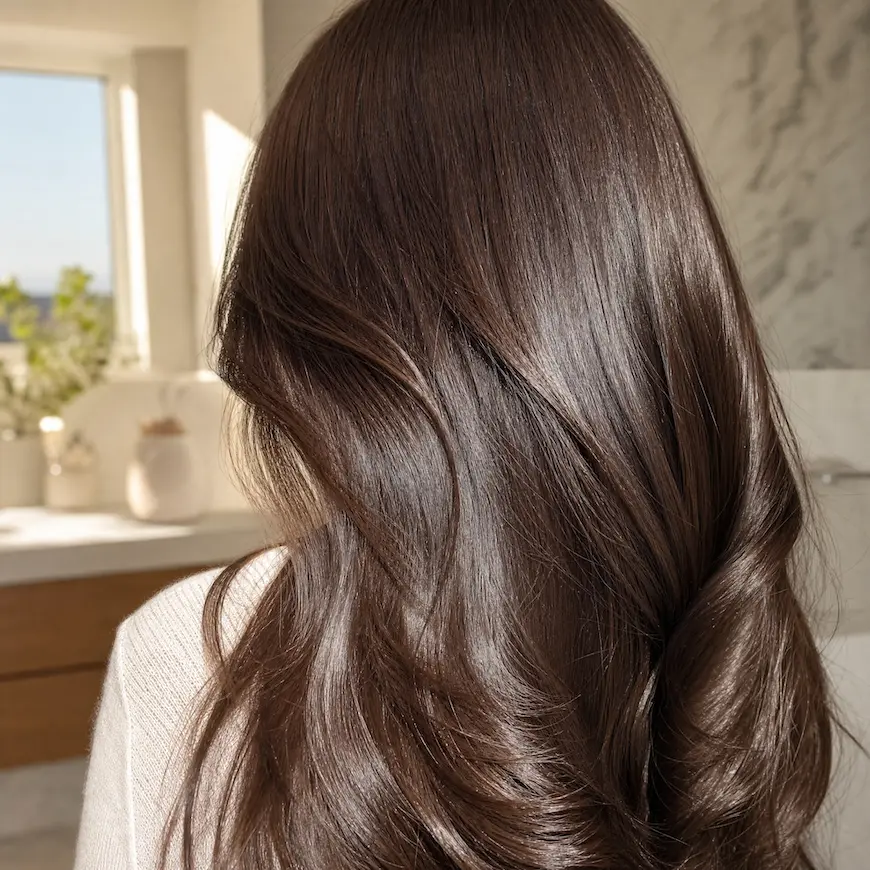
Hair breakage and hair loss get lumped together constantly, but they are not the same problem, and treating one like the other wastes time and money. Breakage happens when the hair shaft gets weak and snaps. Hair loss happens at the root, often tied to hormones, genetics, or scalp health, and it usually needs a different kind of treatment entirely.
Most of what people call “damaged hair” is breakage from daily habits, not an underlying hair loss condition. The mistakes below are the ones dermatologists and stylists point to most often, along with what to do instead.
1. Washing With Water That Is Too Hot
Hot water feels good, but it strips the natural oils that keep your hair shaft protected. Over time that leaves hair dry, brittle, and more prone to snapping.
Fix it: Wash with lukewarm water to help the cleanser do its job, then rinse with cool water before you get out. Cool water helps seal the hair cuticle, which makes hair look shinier and cuts down on frizz.
2. Skipping Heat Protection
Flat irons and curling wands can hit temperatures well above what your hair can handle without protection. Signs of heat damage include hair that tangles easily, feels straw-like, or has visible split ends near the mid-shaft.
Fix it: Apply a heat protectant spray or serum before every heat styling session, no exceptions, even on days you are only using a blow dryer. If your hair already shows heat damage, cut back on styling tools for a few weeks and focus on a repairing hair mask instead.
3. Using the Wrong Brush for Your Hair Type
A brush that does not match your hair type causes small tears in the cuticle that add up to visible damage. Brushing wet hair with the wrong tool is one of the fastest ways to cause breakage, since wet hair is at its weakest.
Fix it: Use a wide-tooth comb or a wet detangling brush on wet hair, and switch to a boar-bristle or natural-bristle brush for styling dry hair. Always start detangling from the ends and work up, not from the roots down.
4. Skipping Regular Trims
Split ends do not stay put. Left alone, they travel up the hair shaft and turn a small problem into a bigger one.
Fix it: A trim every 8 to 12 weeks keeps ends healthy without sacrificing length, contrary to the myth that cutting hair slows growth. Growth happens at the scalp, trims just remove damage that is already there.
5. Too Much Sun Exposure
UV rays do not just affect skin. They break down the proteins in your hair shaft, which fades color and weakens strands, and the scalp underneath takes damage too, the same way any exposed skin would.
Fix it: Wear a hat during long periods outside, or use a leave-in product with UV filters. This matters even more if you have color-treated hair, since UV exposure accelerates fading.
6. Overusing Harsh Chemical Treatments
Repeated dyeing, relaxing, or perming breaks down the protein bonds that give hair its strength. Silicone and alcohol-heavy products can compound the damage by coating the hair without actually treating it.
Fix it: Space out chemical treatments and read ingredient labels before buying. A stylist can usually recommend a gentler alternative that gets you a similar result with less damage to the hair shaft.
7. Tying Hair Too Tight, Too Often
Tight ponytails, buns, and braids pull on the hair follicle repeatedly, which can cause a type of hair loss called traction alopecia. Unlike breakage, this affects the root, and it can become permanent if it goes on long enough.
Fix it: Alternate tight styles with looser ones, and give your hairline a break from constant tension, especially around the temples and edges where traction alopecia shows up first.
8. Ignoring Your Scalp
A healthy scalp is the actual foundation of healthy hair, and it gets skipped constantly in favor of focusing only on the strands. Buildup, dryness, or inflammation at the scalp level can slow growth and make hair look thinner than it is.
Fix it: Exfoliate your scalp once a week and pay attention to flaking, itching, or excess oil, since those are early signs something is off. Our scalp care guide covers a full routine for fixing a flaky scalp and supporting hair growth.
9. Not Eating Enough Protein
Hair is made almost entirely of a protein called keratin, so a diet low in protein shows up in your hair before almost anywhere else. Thinning, slow growth, and brittle strands can all trace back to nutrition rather than a product problem.
Fix it: Eggs, lean meats, beans, and fish all support keratin production. If diet changes do not improve thinning hair within a few months, that is a sign to see a dermatologist rather than keep switching shampoos.
Breakage vs. Hair Loss: How to Tell the Difference
If you are finding short, broken pieces of hair rather than full strands with a bulb at the end, you are likely dealing with breakage, which the fixes above will address. If you are seeing thinning at the part line, a receding hairline, or full strands with the root attached coming out in the shower, that points to hair loss, and it is worth getting a diagnosis from a dermatologist before trying treatments like minoxidil or laser caps, since the right treatment depends on the cause.
Rebuilding a Damaged Hair Routine
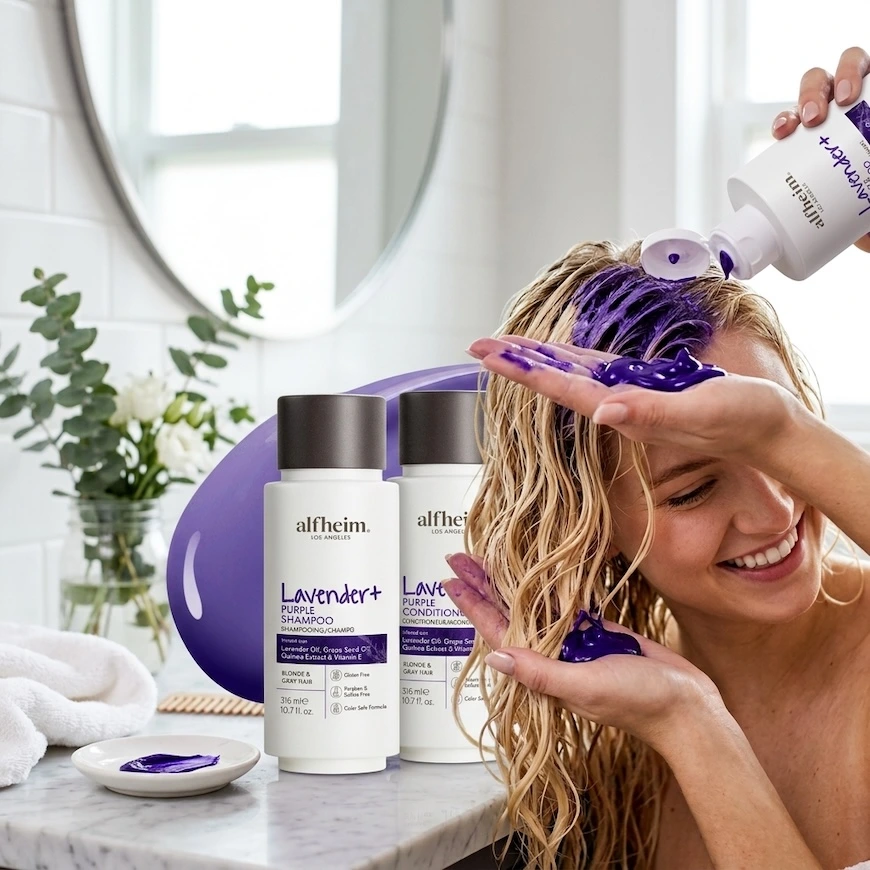
Fixing damage usually means simplifying, not adding more products. Start with a sulfate-free shampoo suited to your hair type. If you have color-treated or blonde hair, a purple shampoo can help control brassiness without the stripping effect of harsher clarifying formulas. Follow with a weekly deep conditioning treatment, and consider switching to an organic, sulfate-free shampoo if your current one is part of the problem.
FAQ
Can damaged hair actually be repaired, or only prevented from getting worse?
Hair itself has no living cells past the scalp, so severe damage cannot be reversed, only managed with moisture and protein treatments until it grows out. Prevention going forward matters more than trying to fix already-damaged ends.
How do I know if I need a dermatologist instead of just a new shampoo?
If you are seeing hair loss at the root, scalp irritation that does not clear up, or sudden shedding, see a dermatologist. Product changes only help with surface-level breakage.
Does trimming hair make it grow faster?
No. Growth happens at the follicle, not the ends. Trims just prevent split ends from traveling further up the strand.
Is heat protectant really necessary every time?
Yes, even for quick blow-drying sessions. Cumulative heat exposure is what causes the most visible long-term damage.
Sources
- American Academy of Dermatology, Hair Loss Resource Center
- American Academy of Dermatology, Stop Damaging Your Hair
- American Academy of Dermatology, Hairstyles That Pull Can Lead to Hair Loss

Hi, I’m Marwa ✅
I test skincare, haircare, and makeup on real skin and a real budget, and writes the honest reviews to prove it.