This post contains affiliate links. If you buy through them, we may earn a commission at no extra cost to you.
Quick Answer: “Organic” isn’t a regulated term for shampoo, the FDA doesn’t define it for cosmetics, so a brand can print it on the bottle with one organic ingredient and no certification. Only the USDA Organic seal (95%+ organic ingredients) means anything verifiable. And “sulfate-free” doesn’t mean gentle, it means two specific ingredients are absent. Choose sulfate-free for coloured, very dry or coily hair; otherwise a well-formulated sulfate shampoo is fine.
This isn’t an argument against buying them. Several of the organic shampoo picks below are genuinely good. It’s an argument for knowing what you’re paying for, because on an organic shampoo the label is usually the least reliable thing on the bottle.
What organic shampoo actually means
Legally, in the US, an organic shampoo claim means nothing in itself.
The FDA is explicit about this: the term “organic” is not defined in the laws it enforces for cosmetics, or in the regulations under them. There’s no FDA standard an organic shampoo has to meet before printing the word on the front.
Organic certification for personal care comes from a different agency entirely. The USDA’s National Organic Program certifies agricultural ingredients, and an organic shampoo made from agricultural ingredients can be certified under it if every operation in the chain, from farm to manufacturer, is certified too. Certified products then fall into the same four labeling tiers as any other agricultural product.
That last part is where most of the confusion lives. Only products at 95% or more organic content can carry the USDA Organic seal. A product at 70% can legally say “made with organic ingredients” and cannot use the seal. So there are several different things on the shelf wearing similar words, and most organic shampoo sits in a lower tier than shoppers assume.
| What you see | What it means |
|---|---|
| USDA Organic seal | Verified. At least 95% organic ingredients, independently certified |
| ECOCERT / COSMOS / Soil Association | Third-party certified to a published standard |
| “Made with organic ingredients” | A real USDA tier, but a lower one. At least 70%, and it can’t carry the seal |
| “Organic” in the product name, no seal | Unverified. Might contain one organic ingredient, might be certified. You can’t tell |
| “Natural,” “clean,” “green,” “botanical” | No legal definition at all. Purely marketing |
Here’s the part people find uncomfortable. Organic shampoo certification describes farming practices. It says nothing about whether the shampoo is better for your hair. The plant extract in an organic shampoo isn’t inherently gentler on your scalp than a synthetic one, and the FDA says so directly: an ingredient’s source doesn’t determine its safety, since plenty of plants contain substances that are toxic or allergenic however they were grown.
If you’re buying organic shampoo for environmental or agricultural reasons, that’s a coherent position, and the seal is what you’re looking for. If you’re buying organic shampoo expecting better hair, the label isn’t what will deliver that.
“Natural” doesn’t mean gentle either. Essential oils, particularly tea tree, lavender and citrus, are among the more common causes of allergic contact dermatitis in cosmetics, and fragrance generally, natural or synthetic, is a leading cause of skin reactions. For a sensitive scalp, “fragrance-free” is a far more useful word than “natural.”
Is sulfate-free shampoo actually better?
This is the most-asked question from anyone shopping for organic shampoo, and the honest answer is more useful than the marketing one.
“Sulfate-free” means two specific ingredients are absent. It isn’t a guarantee of mildness, and it has nothing to do with whether something is an organic shampoo. Plenty of each is the other, plenty isn’t.
The nuance that gets lost:
- SLS (sodium lauryl sulfate) is genuinely harsh. It’s used as the standard reference irritant in dermatology patch testing, which is literally its scientific job.
- SLES (sodium laureth sulfate) is a different molecule with a much larger, gentler structure. At normal shampoo concentrations most people tolerate it perfectly well, and most modern sulfate shampoos use SLES rather than SLS.
- Sulfate-free replacements aren’t automatically kinder. Some alternative surfactants are comparably irritating, and many sulfate-free formulas clean less thoroughly, which is why people who switch often report buildup, limpness, or hair that never feels properly clean.
So when is sulfate-free genuinely worth it?
| Choose sulfate-free if… | Sulfates are fine if… |
|---|---|
| Your hair is colour-treated, since it fades colour more slowly | Your hair and scalp are normal and healthy |
| Your hair is very dry, curly or coily | You use a lot of product and need real cleansing |
| You have a sensitive or reactive scalp | You wash infrequently |
| You’ve had a keratin treatment | You’re prone to buildup |
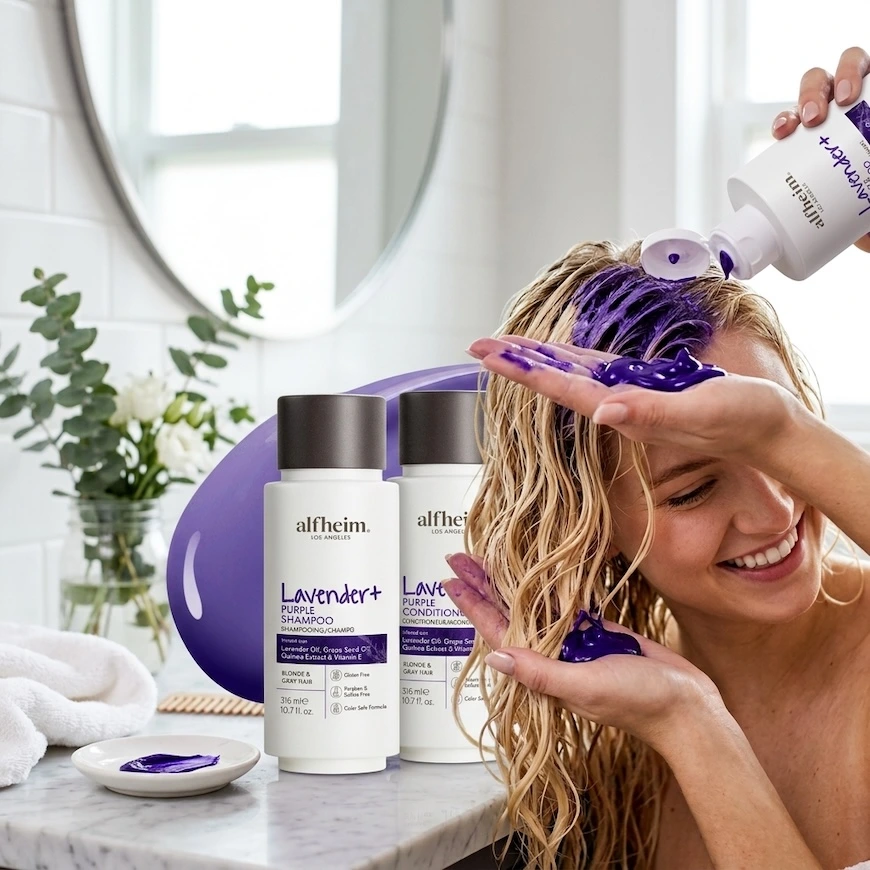
If you’re colour-treated and blonde, the sulfate question matters less than the toning one, which is covered in purple shampoo for blonde hair.
The thing that matters more than either column: how often you wash and how hot the water is. Both do more to your hair than which surfactant you picked.
What’s genuinely worth looking for
Skip the front of the bottle. When you’re comparing one organic shampoo against another, these are what make the difference.
- Match it to your actual problem. Dandruff needs an antifungal active, zinc pyrithione or ketoconazole, and no amount of botanical extract in an organic shampoo substitutes for that. Colour-treated hair needs gentle cleansing. An oily scalp needs proper cleansing, not gentler cleansing.
- “Fragrance-free” beats “natural” if your scalp is reactive. It’s the single most useful phrase on any bottle.
- Certification, if you want a genuinely organic shampoo. The USDA seal or ECOCERT. Anything else is a claim rather than a standard.
- A short ingredient list if you react to things. Fewer ingredients, fewer suspects.
- Ignore the marketing words. Clean, green, botanical, chemical-free. Everything is a chemical, water included.
Beyond the bottle, a full scalp care routine does more for how your hair looks than any switch between shampoos, and most of the damage people blame on shampoo comes from habits that damage hair instead. The AAD’s guidance is worth reading on that, and it’s short.
What doesn’t work
Being direct about this, because these claims are everywhere and two of them sit on organic shampoo bottles in this post’s own roundup.
Biotin in shampoo. Genuinely popular, and it genuinely doesn’t work. A 2024 review in the Journal of Clinical and Aesthetic Dermatology went looking for evidence that biotin does anything for hair and found three studies that met its criteria. The best of them, a double-blind placebo-controlled trial, found no difference between biotin and placebo for hair growth. Worth stressing that all of that research is on oral biotin taken as a supplement. If swallowing it doesn’t help people who aren’t deficient, an organic shampoo you rinse off after ninety seconds is an even weaker proposition. Deficiency genuinely does cause hair loss, but a normal diet supplies more biotin than you need, and topping up when you aren’t short of it achieves nothing.
There’s also a reason to care beyond wasted money. High-dose biotin interferes with common lab tests, including troponin, and the FDA has warned about it twice. A missed heart attack has been reported as a result. That’s an argument against the supplements rather than the shampoo, but it’s not nothing.
“Chemical-free.” Not a thing. Water is a chemical.
Shampoo that “promotes hair growth.” No organic shampoo does this in any meaningful sense. It’s on your scalp for a minute or two and then it goes down the drain. Two exceptions worth knowing: ketoconazole shampoo has some evidence in androgenetic alopecia, and keeping a healthy scalp genuinely supports the hair you already have. Neither turns shampoo into a growth treatment.
“Detoxifying.” A favourite word on organic shampoo packaging, and your hair doesn’t hold toxins. A clarifying shampoo removes product buildup, which is real and useful, but that’s cleaning rather than detoxing.
If you’re losing hair, the things with actual evidence are minoxidil, prescription treatments, and a dermatologist working out the cause, which can be anything from thyroid disease to a medication you’re taking. A shampoo isn’t going to be the answer, whatever the bottle says. Before you get that far, it’s worth checking whether you’re seeing shedding or breakage, because they look similar in the shower and have completely different fixes.
Four shampoos worth buying
Three of these four market themselves as organic shampoo. That isn’t why they’re on the list.
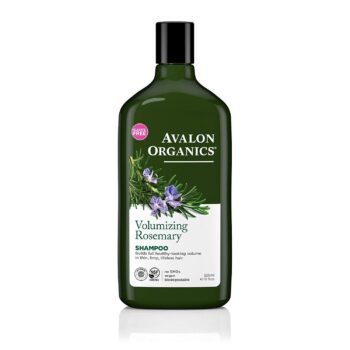
1. Best for volume and fine hair: Avalon Organics Volumizing Rosemary Probably the best-known budget organic shampoo. Plant-based, rosemary-scented, doesn’t weigh fine hair down. Widely available and inexpensive. Skip it if your hair is thick and dry, since it’s a light formula.

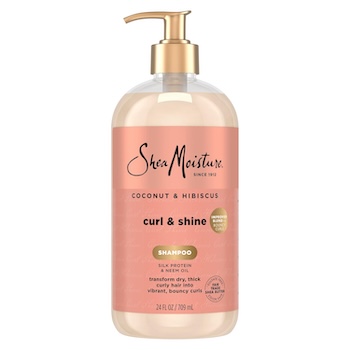
2. Best for curly and textured hair: SheaMoisture Coconut & Hibiscus Sulfate-free with coconut oil and silk proteins. Well suited to curls, which is one of the cases where sulfate-free genuinely makes sense. If you want the detail on why coconut oil turns up in so many of these, coconut oil and protein loss explains what it actually does. Skip it if you use heavy product and need real cleansing. Pair it with a clarifying wash monthly.
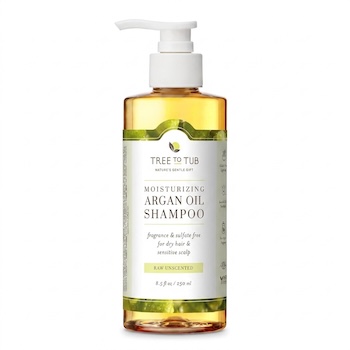
3. Best for sensitive scalps: Tree to Tub Gentle Argan Oil Soapberry-based, fragrance-free, pH-balanced. The fragrance-free part is why this is the sensitive-scalp pick, not the botanical part. What argan oil does is a fair question here, and the answer is less dramatic than the marketing. Skip it if you want a shampoo that lathers heavily.
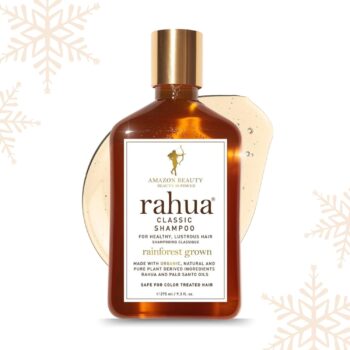
4. Best luxury: Rahua Hydration Amazonian oils, genuinely nice to use, and about as expensive as organic shampoo gets. Buy it because you enjoy it, which is a perfectly legitimate reason to buy an organic shampoo. Skip it if you’re buying it expecting results a $9 bottle can’t deliver.
Not recommended: biotin shampoos. Popular, frequently sold as organic shampoo, and they don’t do what the label suggests. If thinning is your concern, that’s a dermatologist conversation rather than a shampoo purchase.
Switching to a new shampoo
- Switching to an organic shampoo is no different from switching to any other, and there’s no “detox period.” Your scalp doesn’t need to adjust to a surfactant. If a new shampoo leaves your hair waxy for weeks, it isn’t cleaning well enough. That’s buildup, not adjustment.
- Give it three or four washes before judging. The first wash after a switch is often unrepresentative.
- Apply to the scalp, not the lengths. The scalp is what gets dirty, and the ends get cleaned by the runoff.
- Lukewarm water. Hot water strips more than any surfactant does.
- Clarify monthly if you use a lot of product, or you’ve moved to a gentler formula.
- Be careful how you handle wet hair afterwards. Most breakage happens at this point, which is why detangling without breakage matters more than the shampoo, and why it’s worth learning to protect it overnight.
Frequently asked questions
Is sulfate-free shampoo better?
It depends on your hair. "Sulfate-free" only means two specific ingredients are absent, not that a formula is gentle, and some alternative surfactants are equally irritating. It's genuinely worth it for colour-treated, very dry, curly or coily hair and for sensitive scalps. For normal healthy hair, a well-formulated sulfate shampoo is fine.
What’s the difference between SLS and SLES?
SLS (sodium lauryl sulfate) is the harsher of the two, and it's used as the reference irritant in dermatology patch testing. SLES (sodium laureth sulfate) is a larger, milder molecule most people tolerate well at normal shampoo concentrations. Most modern shampoos use SLES, so "contains sulfates" doesn't automatically mean harsh.
Does biotin shampoo help hair growth?
No. A 2024 review found only three studies worth including, and the strongest, a double-blind placebo-controlled trial, showed no difference between biotin and placebo. All of it tested oral biotin, so a rinse-off shampoo is an even weaker case. Deficiency does cause hair loss, but deficiency is uncommon and supplementing without it achieves nothing.
What does USDA Organic mean on an organic shampoo?
That the product has been independently certified as at least 95% organic ingredients under the USDA's National Organic Program, with every operation in the chain certified. It's the only organic shampoo claim on a US bottle that anyone has verified. "Made with organic ingredients" is a real but lower tier at 70%. "Organic" in a brand name, with no seal, has met no standard.
Is natural or organic shampoo better for sensitive scalps?
Often not. Essential oils are among the more common causes of allergic contact dermatitis in cosmetics, and fragrance, natural or synthetic, is a leading cause of skin reactions. For a reactive scalp, "fragrance-free" beats both "natural" and "organic shampoo" as a thing to look for.
Can shampoo cause hair loss?
Ordinary shampoo, organic shampoo included, doesn't. Seeing more hair in the shower on wash days is usually normal shedding that had already detached and collected, and washing releases it. If you're genuinely losing more than before, that's a dermatologist question, and the cause is very unlikely to be your shampoo, organic shampoo or otherwise.
Does sulfate-free shampoo cause buildup?
It can. Sulfate-free formulas often clean less thoroughly, so people who use a lot of styling product, or who have hard water, sometimes find hair feels heavy or coated over time. A clarifying shampoo once a month resolves it without abandoning the sulfate-free routine.
What does “clean beauty” mean?
Legally, nothing. There's no regulated definition, so each retailer and brand sets its own, exactly as with organic shampoo, which is why the same ingredient can be "clean" at one store and excluded at another. Treat it as a marketing category rather than a safety assessment.
How often should I wash my hair?
It depends more on your hair type than on whether you're using an organic shampoo. Straight or oily hair may need washing daily or every other day. Curly and coily hair often does better washed weekly or less. Washing frequency and water temperature affect your hair more than which surfactant your shampoo uses.
Reviewed August 2026. General information, not medical advice. See a board-certified dermatologist about hair loss or a persistent scalp reaction.
Hi, I’m Marwa ✅
I test skincare, haircare, and makeup on real skin and a real budget, and writes the honest reviews to prove it.