Quick Answer: For daily face use, choose SPF 30 or higher, broad-spectrum, in a texture you’ll actually reapply. Mineral (zinc oxide, titanium dioxide) suits sensitive and reactive skin but can leave a white cast — choose a tinted mineral formula to avoid it. Chemical filters are lighter and invisible on all skin tones. And apply far more than you think: a quarter teaspoon for your face, or two fingers’ worth. Under-applying is the most common reason sunscreen underperforms.
Most sunscreen guides hand you a list and move on. But the two things that decide whether your sunscreen works get settled before you buy anything: how much you apply, and whether you’ll reapply it.
An SPF 30 you use properly beats an SPF 100 you spread thin once at 8am. Which means the best sunscreen for face protection is rarely the one with the biggest number on the tube. If you’re still sorting out where sunscreen goes in your routine, it’s last in the morning, over everything else.
How much sunscreen you actually need
SPF ratings come from lab testing at 2 mg/cm² of skin. Almost nobody applies that much. Real world use tends to run between a quarter and half of the tested amount, and the relationship isn’t proportional. Applying half doesn’t halve the protection. It cuts it by considerably more. Here’s how much to apply:
| Area | How much |
|---|---|
| Face | ¼ teaspoon, or the two finger rule: a strip along your index and middle fingers |
| Face + neck | ½ teaspoon |
| Whole body | 1 ounce, a shot glass |
| Ears, hairline, eyelids | Included above, and routinely missed |
If it doesn’t feel like slightly too much going on, it probably isn’t enough, no matter how good your sunscreen is. This one change does more than upgrading from SPF 30 to SPF 50, and it’s why the best sunscreen for face coverage is usually the one you’re willing to use generously.
Where people miss: ears, the back of the neck, the hairline and part, the skin around your eyes, the tops of feet, and lips. Lips need their own SPF balm, because regular sunscreen tastes bad enough that most people quietly stop reapplying, which is part of why lip skin cancers show up more than they should. (Lips need SPF too.)
Sunscreen also isn’t the whole job: shade and clothing do more per dollar, and they don’t wear off at hour two.
Mineral vs chemical: the real difference
It’s the most asked sunscreen question, and most answers online overstate the gap.
| Mineral (physical) | Chemical (organic) | |
|---|---|---|
| Filters | Zinc oxide, titanium dioxide | Avobenzone, octisalate, homosalate, octocrylene |
| Texture | Thicker, can feel heavier | Lighter, absorbs invisibly |
| White cast | Yes, unless tinted | No |
| Sensitive skin | Usually better tolerated | More likely to sting, especially around eyes |
| Under makeup | Can pill or grab | Generally smoother |
| Best for | Rosacea, eczema, post procedure, babies, melasma (tinted) | Daily wear, deeper skin tones, under makeup, swimming |
Both types work when you apply enough. A broad spectrum SPF 30 protects you whichever filter system it uses, so if you’re hunting for the best sunscreen for face wear, the filter type matters far less than the texture you’ll tolerate daily.
Two honest notes:
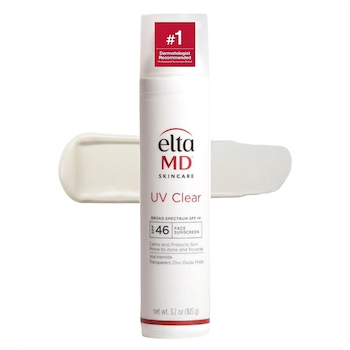
- Many products are hybrids. EltaMD UV Clear, for example, contains zinc oxide and octinoxate. It gets called mineral constantly, but it isn’t. Check the Drug Facts panel, not the front label.
- On “reef safe”: the term has no legal definition and isn’t regulated by the FDA. Any brand can print it on anything. If it matters to you, read the ingredients. Hawaii banned the sale of sunscreens containing oxybenzone and octinoxate, which is a concrete standard rather than a marketing phrase.
Sunscreens that don’t leave a white cast
This is the single biggest reason people stop wearing sunscreen, and it hits deeper skin tones hardest, because the pale film zinc oxide leaves is far more visible on melanin rich skin. It’s also why the best sunscreen for face use varies so much from person to person.
Why it happens: mineral filters sit on the skin as a physical layer, and zinc oxide is white. That’s not a flaw, it’s how the filter works.
Four ways around it:
- Choose a tinted mineral formula. Iron oxides give the product colour that cancels the white. This is the most reliable fix, and there’s a bonus: iron oxides also block visible light, which is why dermatologists point melasma and hyperpigmentation patients toward tinted formulas.
- Choose a chemical or hybrid formula. They absorb rather than sit on top, so they’re invisible on every skin tone.
- Apply in thin layers and let each set. Two thin layers cast less than one thick one, and you still hit the right total.
- Give it ten minutes. Some cast genuinely settles as the product dries down. Judge it then, not the second it’s on.
Worth saying plainly: the beauty industry has been slow here, and “sheer” or “invisible” on a label usually means invisible on light skin. Buy somewhere with a returns policy, and check it in daylight, not bathroom lighting.
Best picks for no white cast: if that’s your dealbreaker, the best sunscreen for face wear is one of these three.
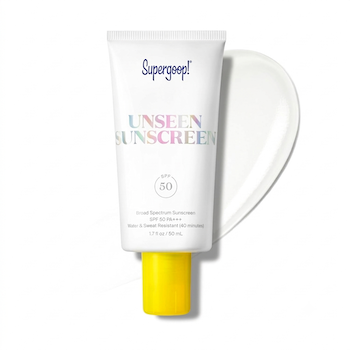
- Supergoop! Unseen Sunscreen SPF 40. A clear gel that genuinely disappears on all tones. Doubles as a makeup primer.
- A tinted mineral fluid. For anyone who wants mineral filters without the cast, or who’s treating melasma.
- Black Girl Sunscreen SPF 30. Formulated specifically for deeper skin tones, no cast.
Do you need sunscreen in winter?
Yes, and the reason is more specific than “UV is year round.”
UVB drops substantially in winter. That’s the burning wavelength, and it’s why you don’t get sunburnt in January the way you do in July.
UVA doesn’t drop nearly as much, and UVA is what drives photoaging and pigmentation. It also gets through cloud and standard window glass. So the damage that shows up later as fine lines and dark spots keeps going all winter, quietly, without the sunburn that would warn you.
Two situations where winter is genuinely worse than summer:
- Snow reflects a large share of UV back at you, roughly doubling exposure. That’s why people get sunburnt skiing.
- Altitude increases UV by about 10 to 12% per 1,000 metres.
What changes in winter: not whether you wear it, but the texture. Cold air and indoor heating strip the skin barrier, so the best sunscreen for face wear in January is usually a hydrating or ceramide containing formula rather than the light gel that suited August. If your skin is already flaking, start with repairing a damaged barrier before blaming the sunscreen.
What doesn’t change: SPF 30 minimum, broad spectrum, reapplication if you’re outdoors.
10 sunscreens worth buying
Before you pick, know your skin type first. Oily and dry skin want opposite finishes, and the best sunscreen for face texture is the one that matches what your skin already does.
For daily wear and warmer months
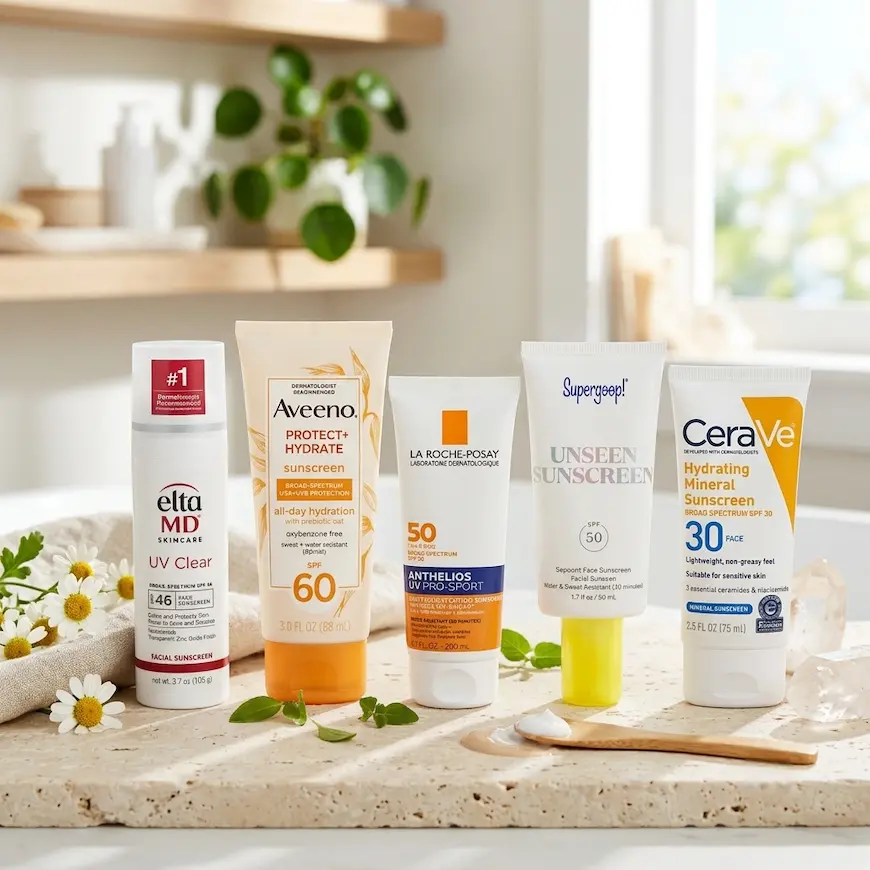
1. EltaMD UV Clear SPF 46, best for acne prone and sensitive skin Zinc oxide plus niacinamide, which calms redness. Oil free and light enough for humid weather. Note it’s a hybrid, zinc oxide with octinoxate, not pure mineral. More on niacinamide and redness if redness is your issue. Skip it if: you want a fully mineral product.

2. Supergoop! Unseen Sunscreen SPF 40, best no white cast A clear gel with an unusual dry, silky finish. Invisible on every skin tone and doubles as a primer. For a lot of people this is the best sunscreen for face use under makeup, full stop.Skip it if: your skin is very dry. It’s mattifying.
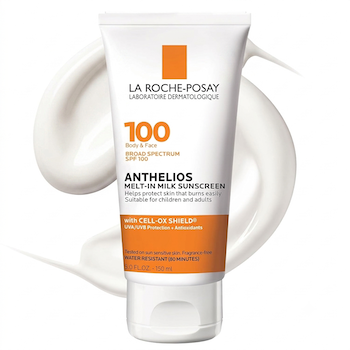
3. La Roche-Posay Anthelios Melt-in Milk SPF 100, best for high exposure Good for beach days and long outdoor stretches, though it’s not the best sunscreen for face wear under makeup. On SPF 100: the jump from 50 to 100 is smaller than the number suggests. SPF 50 blocks roughly 98% of UVB, SPF 100 about 99%. The real advantage is margin when you under apply, which most people do.
4. Neutrogena Hydro Boost Water Gel SPF 30, best budget lightweight Hyaluronic acid in a cooling water gel texture, water resistant for 80 minutes. Building out the rest cheaply? Here’s a full drugstore routine under $50.
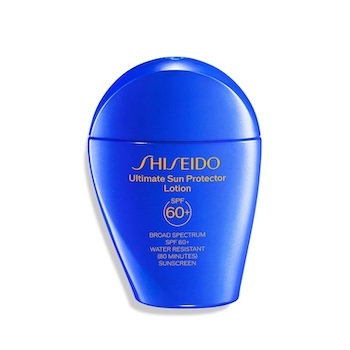
5. Shiseido Ultimate Sun Protector SPF 50+, best for swimming and sport Protection strengthens on contact with water and sweat. All chemical filters: avobenzone, homosalate, octisalate, octocrylene. Skip it if: you’re avoiding chemical filters or heading somewhere with an ingredient ban.
900+ bought in past month
For winter and dry skin
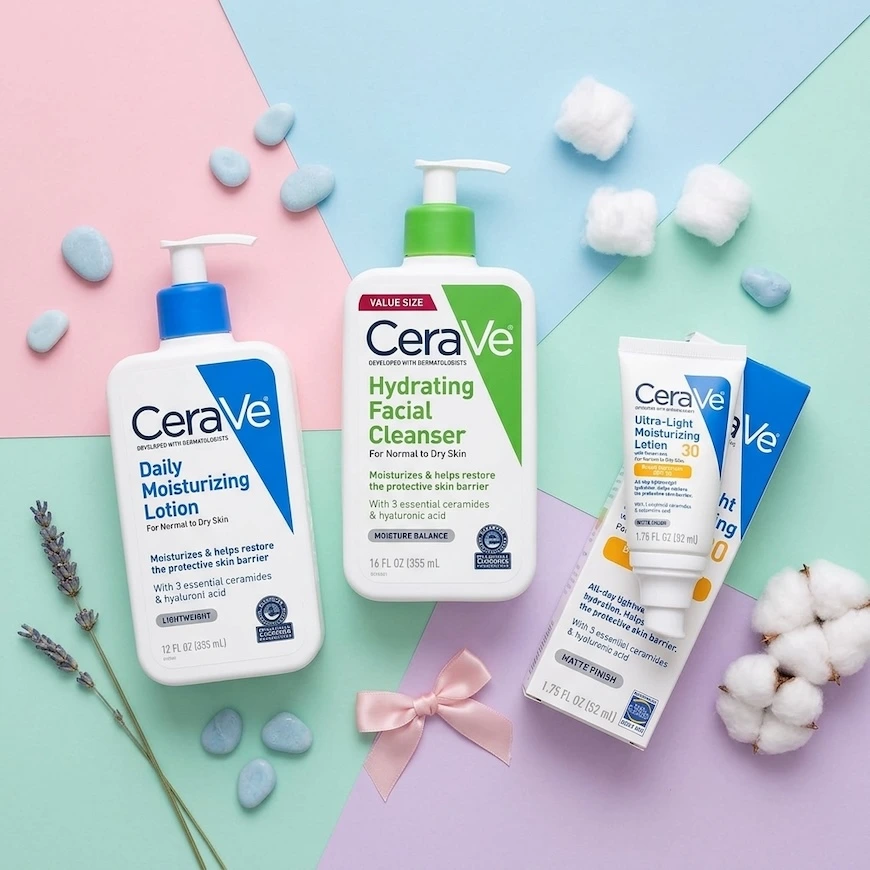
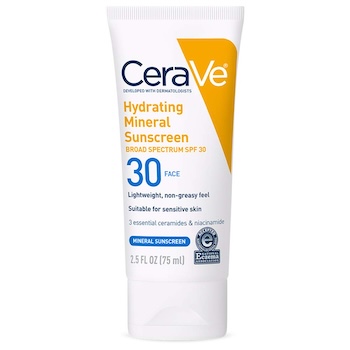
6. CeraVe Hydrating Mineral SPF 30, best for barrier repair Zinc oxide with ceramides and niacinamide, a genuinely useful combination when cold weather has wrecked your barrier. Probably the best sunscreen for face care in a cold snap. Skip it if: you have deep skin and want zero cast. This is untinted mineral.
7. Vanicream Sunscreen SPF 50+, best for reactive and sensitive skin 100% zinc oxide, free of oxybenzone, octinoxate, fragrance and the usual irritants. The one to reach for with eczema, rosacea or post procedure skin, and the best sunscreen for face application after a peel or laser.
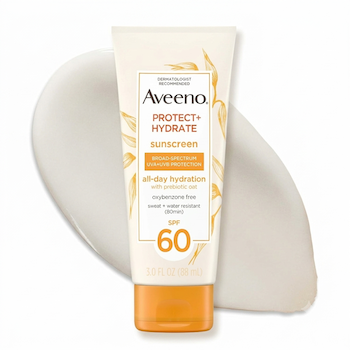
8. Aveeno Positively Mineral SPF 50, best budget mineral Zinc and titanium dioxide with oat extract. Sits well under makeup for a mineral formula, and it’s the best sunscreen for face use at this price.
9. Murad City Skin Age Defense SPF 50, best tinted and best for pigmentation Contains iron oxides, which block visible light as well as UV. That makes it a real option for melasma and dark spots, not just a cosmetic tint, and arguably the best sunscreen for face pigmentation on this list.
10. EltaMD UV Daily SPF 40, best for dry skin Hyaluronic acid and vitamin E, more emollient than UV Clear. Layers fine over antioxidants if you’re already using vitamin C and sunscreen together.
The part that matters more than which one you buy
Reapply every two hours outdoors, and after swimming or heavy sweating. No sunscreen is waterproof, since the FDA doesn’t permit that claim, and water resistance is rated at only 40 or 80 minutes. The best sunscreen for face protection is whichever one is still on your skin at 2pm. If you wear makeup, reapplication is the step almost everyone abandons. It’s solvable: an SPF stick or a cushion compact pressed in with a damp sponge works far better than a mist, and powder SPF is shine control, not real protection.
There’s a full guide to reapplying over makeup if that’s your sticking point. And sunscreen has a real expiration date, which almost nothing else in your bathroom does. It’s regulated as a drug, not a cosmetic, so the date has to be printed on the tube. Filters degrade, and heat speeds that up. A tube that spent August in a car door has aged faster than the date suggests. Check it.
Frequently asked questions
How do I avoid a white cast from sunscreen?
How much sunscreen should I apply to my face?
Do you need sunscreen in winter?
Is SPF 50 better than SPF 30?
What does “reef-safe” sunscreen actually mean?
Can I use body sunscreen on my face?
Does sunscreen expire?
Should I wear sunscreen indoors?

Hi, I’m Marwa ✅
I test skincare, haircare, and makeup on real skin and a real budget, and writes the honest reviews to prove it.