Quick Answer: Nobody in Korea does all ten steps every day. The daily core is four: cleanse, hydrate (toner or essence), moisturise, and sunscreen every morning without exception. Double cleansing belongs to the evening only, exfoliation to 1–2 times a week, and sheet masks are a treat rather than a step. Start with those four for a month, then add. The routine is meant to be layered gradually, not adopted all at once.
The ten-step Korean skincare routine made K-beauty famous, and it’s probably why you’re here. It’s also, in 2026, not really how Koreans do skincare.
The industry has a name for what replaced the long Korean skincare routine: skinimalism. Fewer products, chosen more carefully, with the focus on barrier health, hydration and daily sunscreen rather than step count. Korean dermatologists now tend to recommend four or five targeted steps, and the brands have followed, pushing multi-purpose formulas instead of longer shelves.
That doesn’t make the ten steps useless. Every one of them does something real, and the order they go in is well thought out. It just means the ten-step Korean skincare routine works better as a menu than a checklist.
Here’s what to actually do.
How many steps does a Korean skincare routine actually need?
| Step | How often | Essential? |
|---|---|---|
|
Oil cleanser |
Evening only |
Only if you wore makeup or sunscreen, so, most days |
|
Water cleanser |
Twice daily |
✅ Core |
|
Exfoliator |
1–2× a week max |
❌ Optional, and the easiest step to overdo |
|
Toner |
Twice daily |
✅ Core (hydrating, not astringent) |
|
Essence |
Twice daily |
❌ Optional. Overlaps heavily with toner |
|
Serum / ampoule |
Once or twice daily |
⭐ Worth it. This is where results come from |
|
Sheet mask |
1–3× a week |
❌ A treat, not a step |
|
Eye cream |
Twice daily |
❌ Optional. A moisturiser usually does the same job |
|
Moisturizer |
Twice daily |
✅ Core |
|
Sunscreen |
Every morning |
✅ Core. The non-negotiable one |
Four things carry a Korean skincare routine: cleanse, hydrate, moisturise, sunscreen. Do only those, consistently, and you’ll get most of the benefit. Everything else is refinement, and it matches the dermatologist skin care basics that hold up regardless of where a product was formulated. The one doing the most work is sunscreen, and it isn’t close. UV exposure accounts for the large majority of visible facial ageing. No essence, ampoule or mask makes up for skipping it. The mistake beginners make: buying all ten products at once and starting them the same week. If something irritates you, you’ll have no idea which product did it. Add one new product every 1–2 weeks so you can trace a reaction back to its source.
The 10 steps of the Korean skincare routine, explained
Step 1: Oil cleanser, evening only
Dissolves makeup, sunscreen and sebum. Oil removes oil-based products in a way a foaming cleanser can’t, and that’s the whole logic behind double cleansing.
How: apply to dry skin, massage in circles for 30 to 60 seconds, then emulsify with a little water before rinsing. Skip it if: you wore no makeup and no sunscreen. On a bare-faced day, one cleanse is plenty and the Korean skincare routine gets a step shorter.
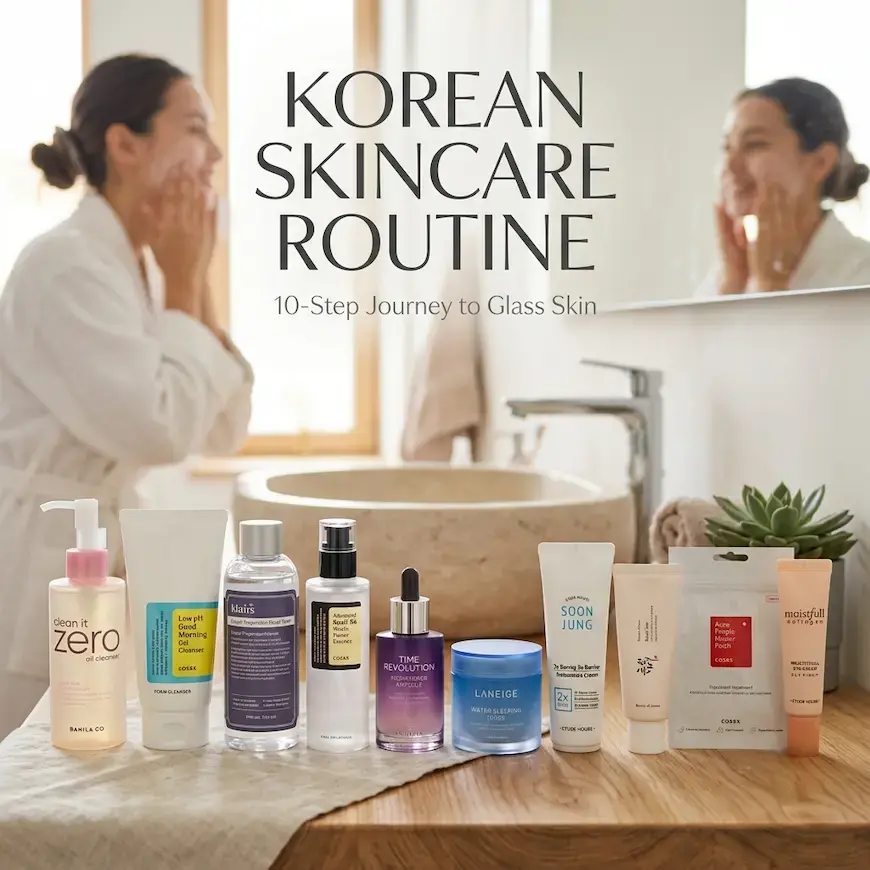
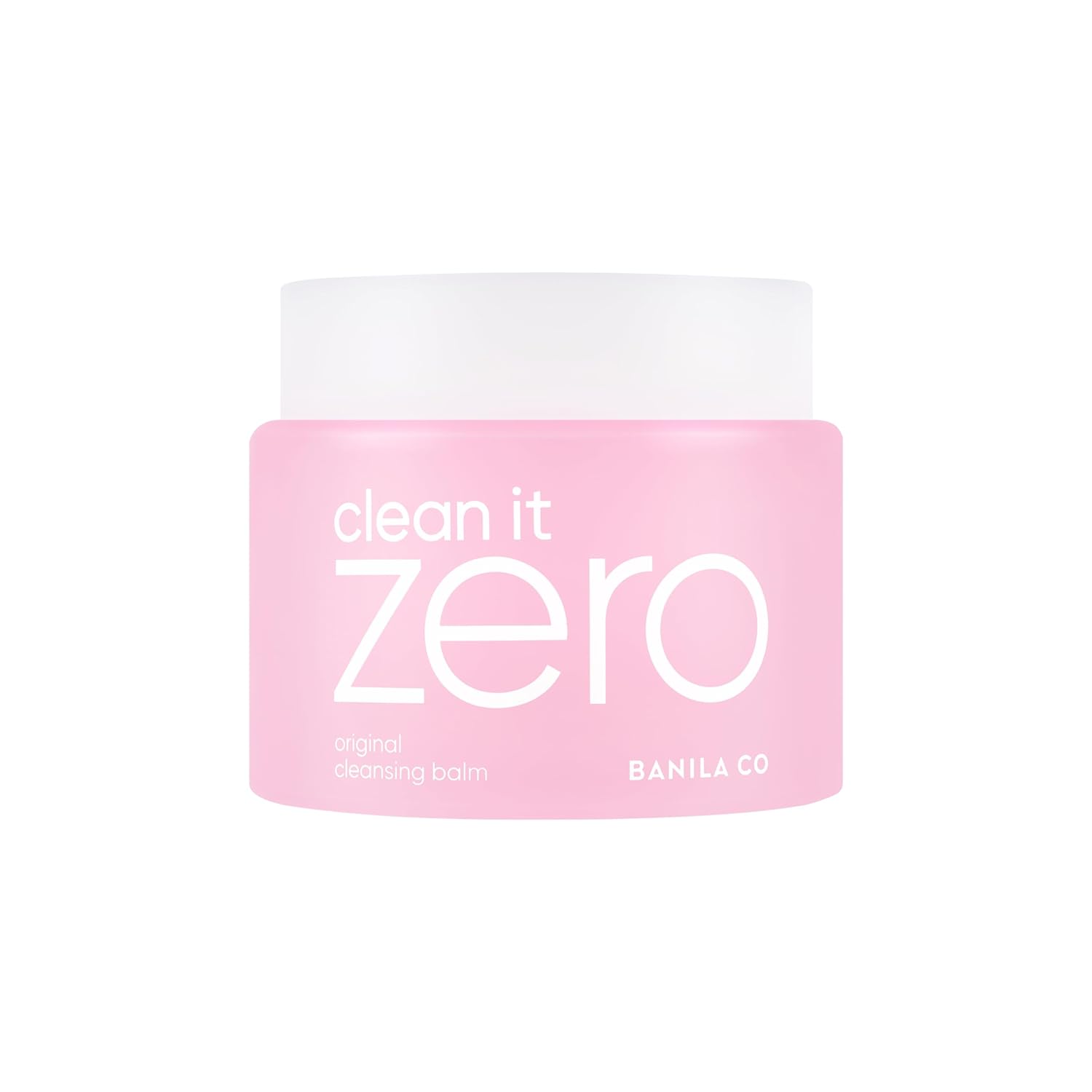
Recommended: Banila Co Clean It Zero Cleansing Balm. Sorbet texture, melts everything, gentle enough for most skin.

Step 2: Water-based cleanser, twice daily
Removes what the oil cleanser loosened, plus sweat and grime. In the morning this is your only cleanse.
How: on damp skin, massage gently, rinse with lukewarm water. Hot water strips the barrier.
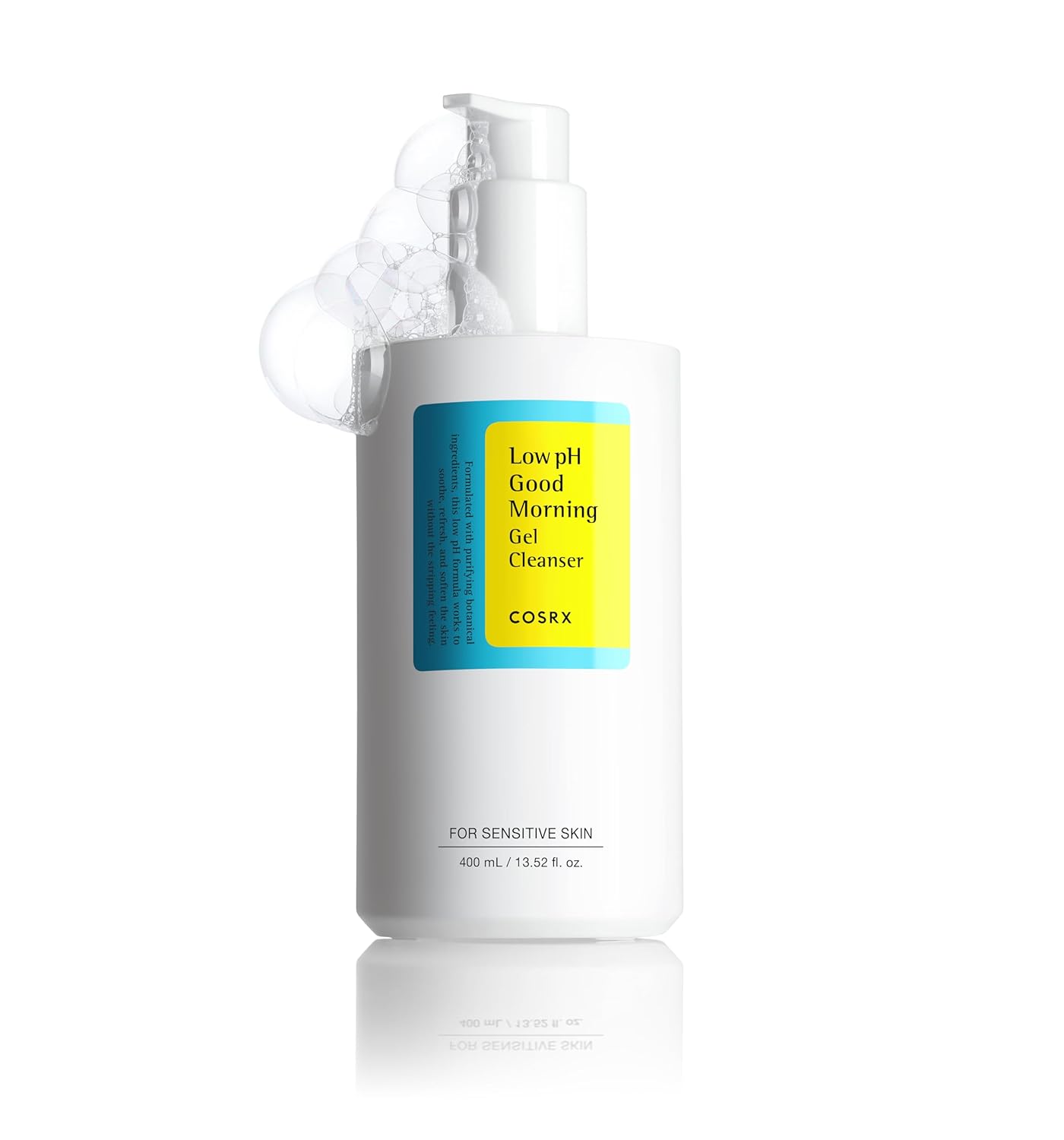
Recommended: COSRX Low pH Good Morning Gel Cleanser. Low pH matters because the skin’s surface is naturally acidic, and high-pH cleansers disrupt it.
Step 3: Exfoliator, once or twice a week, never daily
Removes dead cells and smooths texture. This is the step people ruin their skin with, and it’s the reason a lot of Korean skincare routine beginners end up worse off than when they started.
How: once or twice weekly, on clean skin. If you’re already using retinol, vitamin C or acids, once a week is plenty. Stop if: your skin stings when you apply anything, looks shiny and tight, or has suddenly turned reactive. That’s barrier damage. The treatment is stopping, not more product, and repairing a damaged skin barrier takes weeks of doing less rather than a new bottle.
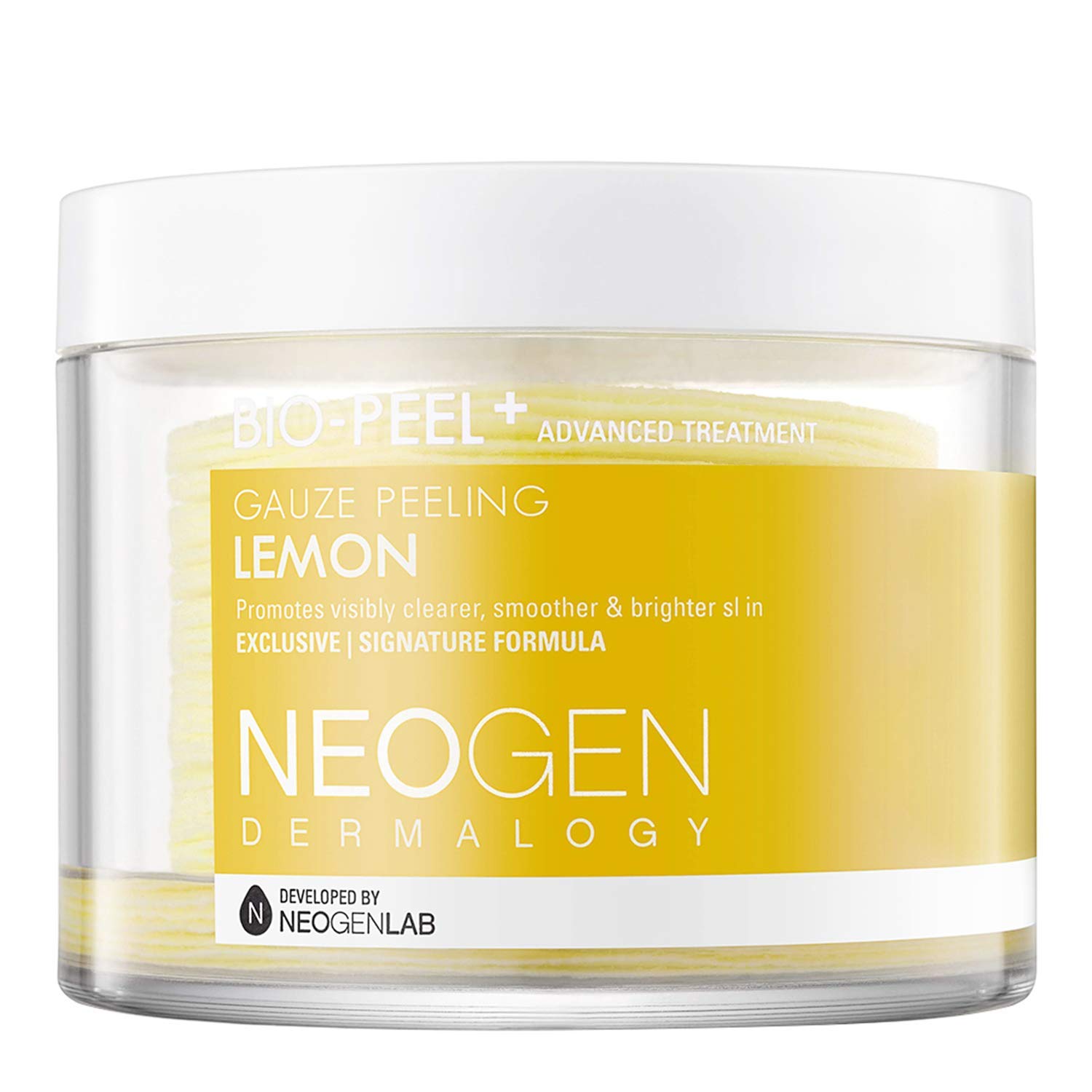
Recommended: Neogen Dermalogy Bio-Peel Gauze Peeling Pads. Chemical and physical exfoliation in one, which is convenient and also exactly why the frequency limit matters.
Step 4: Toner
Purpose: A toner in Korean skincare is more hydrating than the astringent toners of the past. It’s designed to balance the skin’s pH and add a light layer of moisture, helping prep the skin for maximum absorption of the following steps.
How to Use: Pour a few drops into your hands and pat directly onto the skin or use a cotton pad for a swipe of freshness.
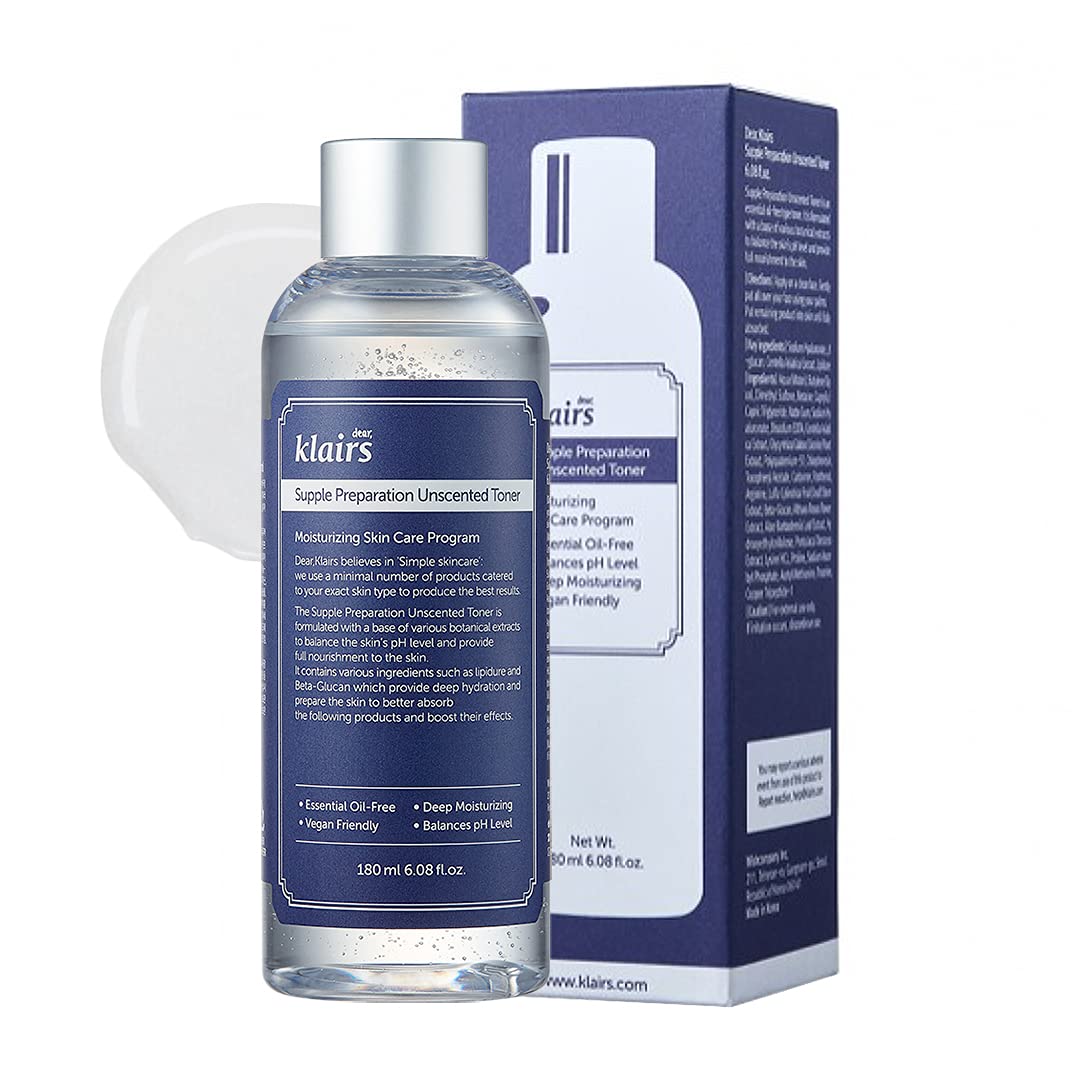
Recommended: Klairs Supple Preparation Unscented Toner – This toner hydrates and soothes without any added fragrance, which is great for sensitive skin. It’s a fan-favorite for its light, soothing, and hydrating effects.
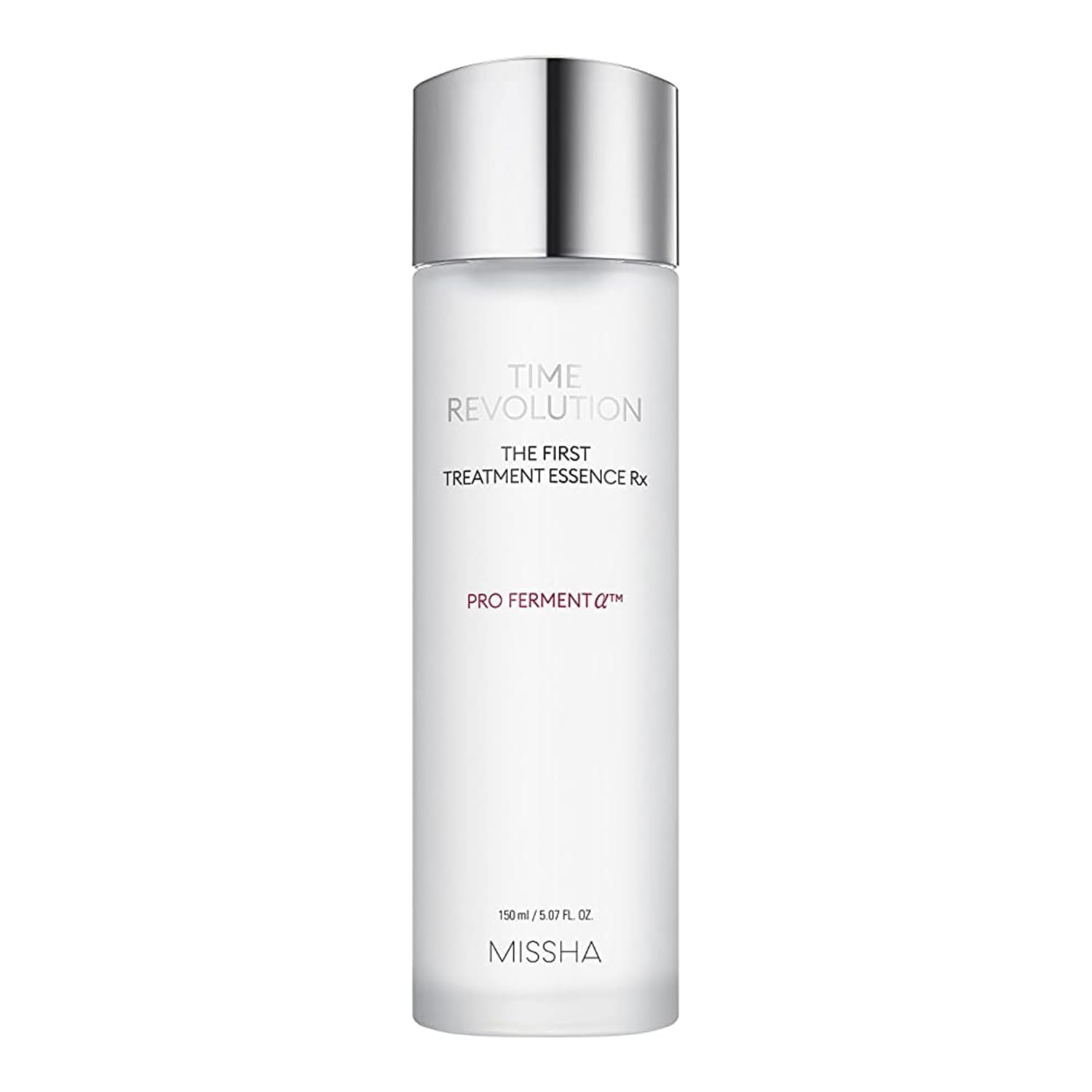
Step 5: Essence, optional
Lighter than a serum, more active than a toner. It’s the least essential step in the Korean skincare routine, and the one most easily merged with step 4 if you’re simplifying.
Recommended: Missha Time Revolution The First Treatment Essence RX. Fermented ingredients, the classic of the category.
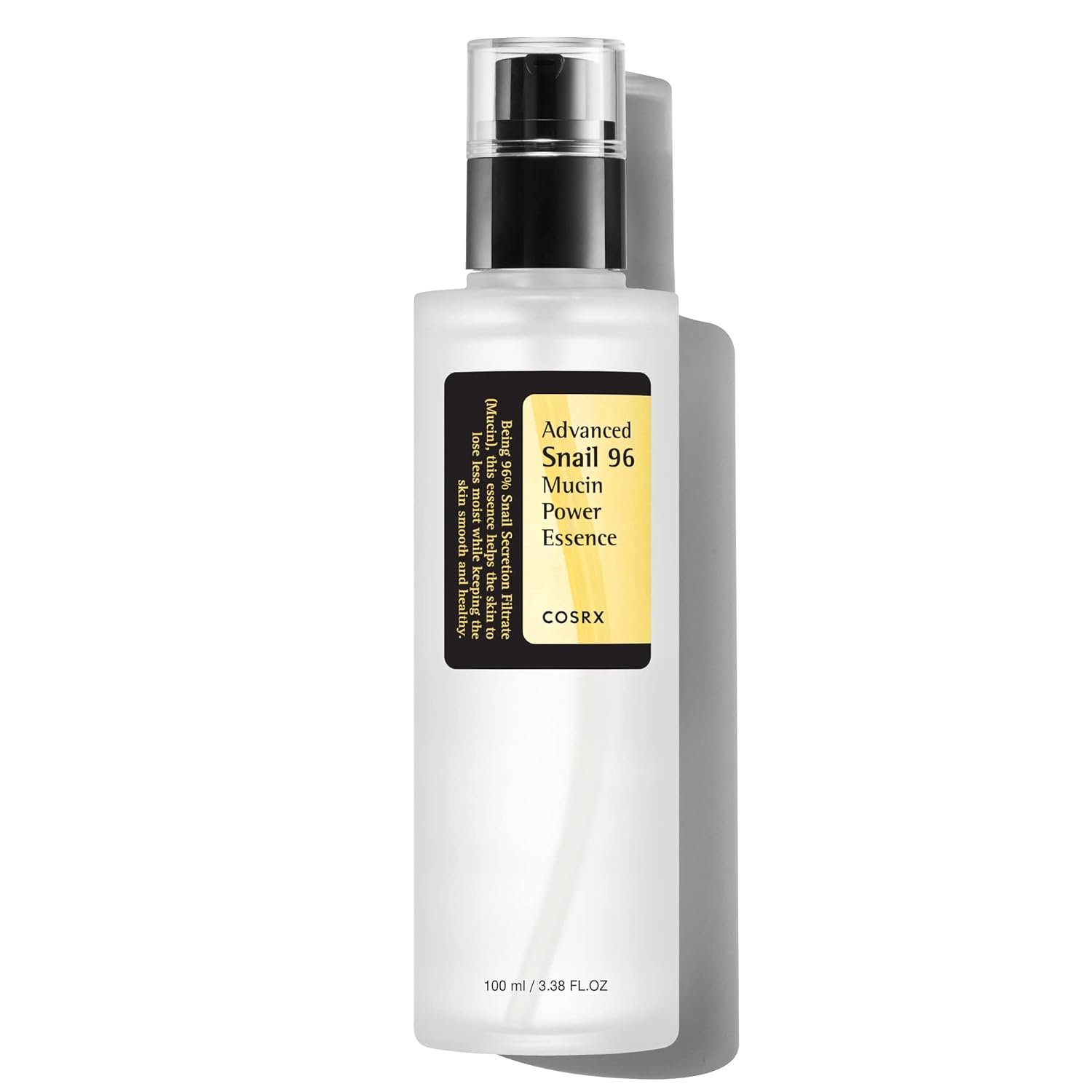
Step 6: Serum or ampoule, where results happen
This is the step that targets an actual concern: pigmentation, texture, dehydration, fine lines. If you’re spending money anywhere in a Korean skincare routine, spend it here. Two workhorses worth understanding before you buy are how to use niacinamide and when to use vitamin C, since those two cover most of what people are actually trying to fix.
How: a few drops, pressed in. Don’t rub.
Recommended: COSRX Advanced Snail 96 Mucin Power Essence. The most popular K-beauty product in the West, and worth its own section below.
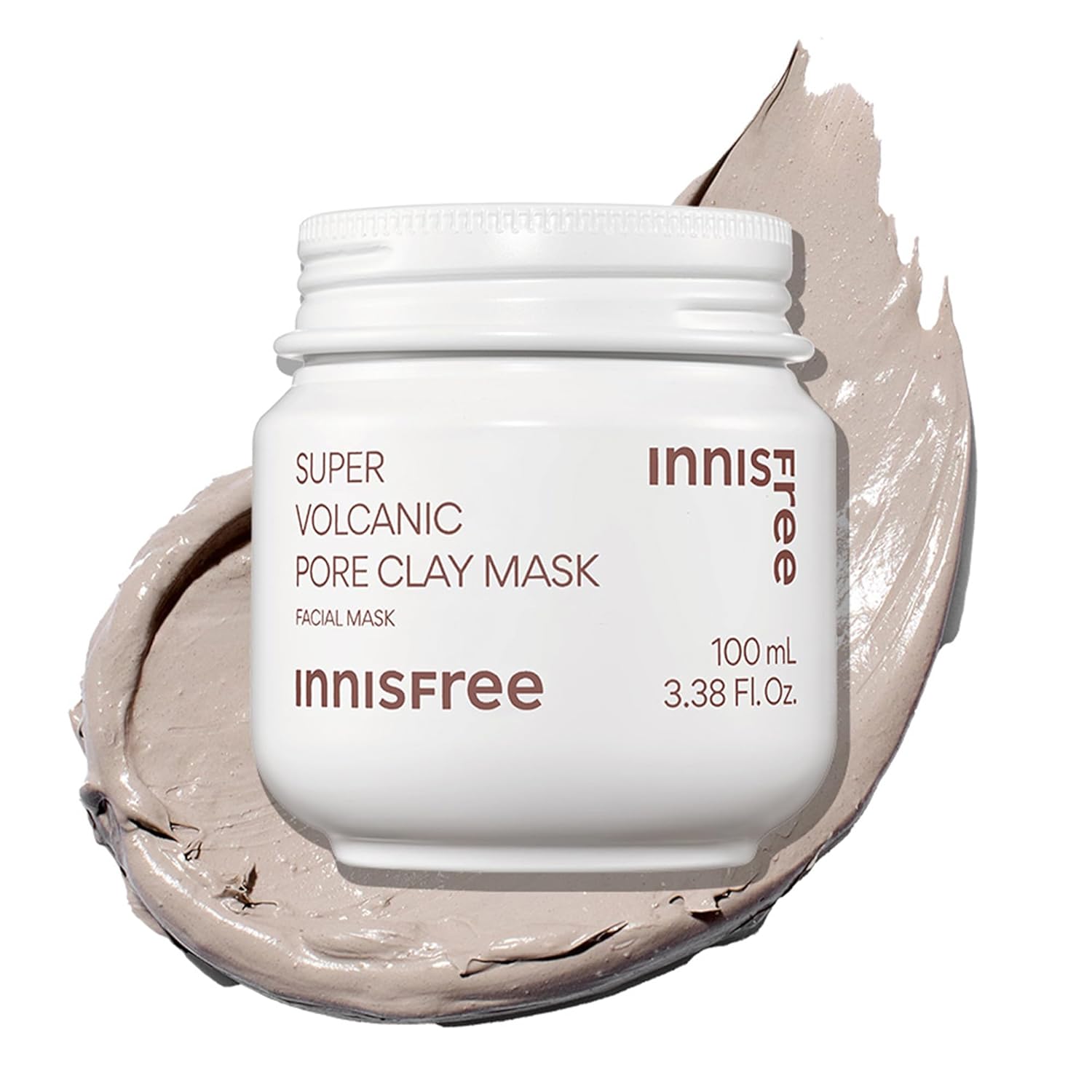
Step 7: Sheet mask, one to three times a week
Twenty minutes of occlusion drives hydration in. Pleasant, effective in the short term, and no Korean skincare routine needs one to work.
How: 15 to 20 minutes, no longer. As the sheet dries it starts pulling moisture back out. Pat in the leftover essence rather than rinsing.
Recommended: Innisfree My Real Squeeze Mask. Cheap enough to use regularly, and available in variants for different concerns.
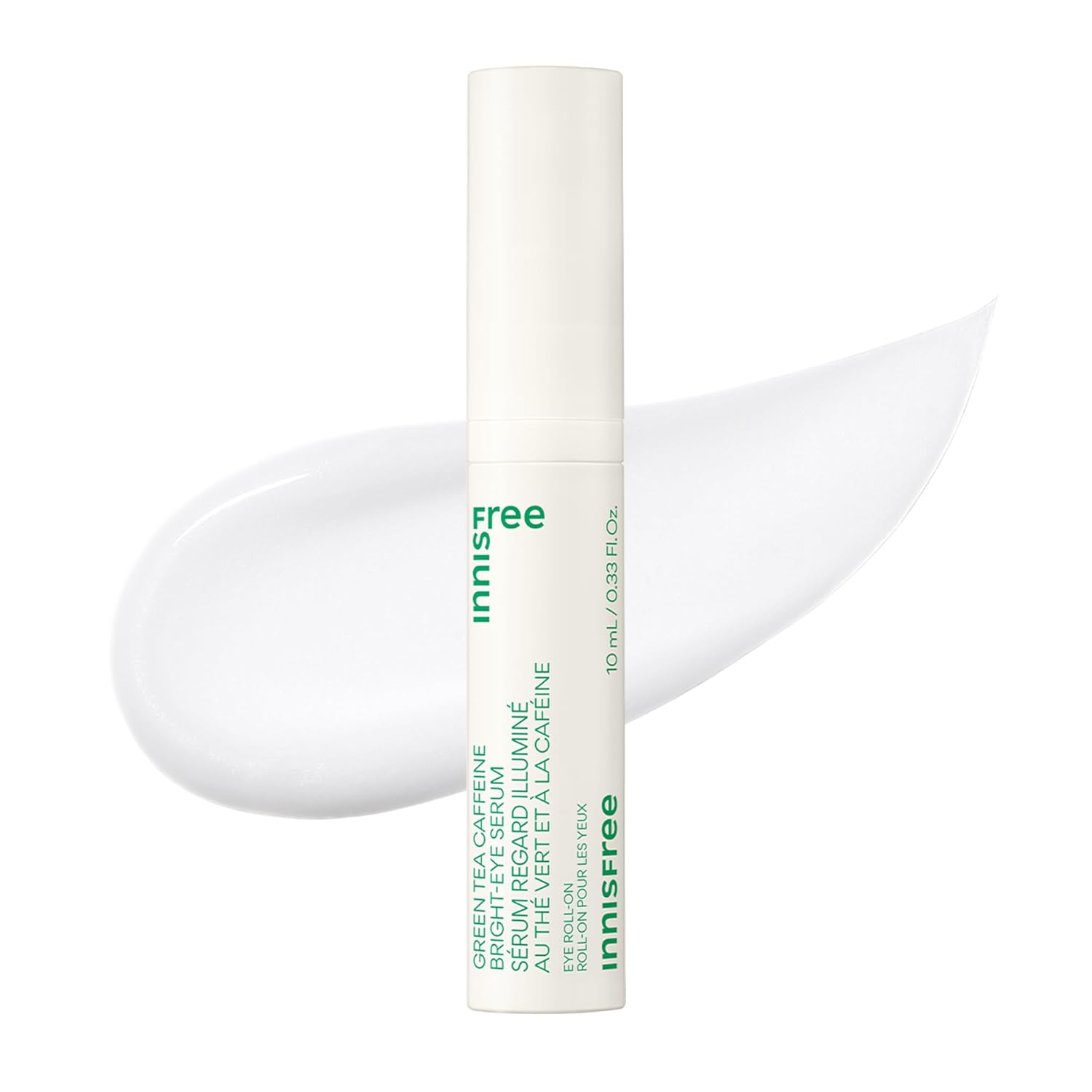
Step 8: Eye Cream
The skin around your eyes is thinner and has fewer oil glands, so it dries out faster. Most eye creams, though, are moisturisers in smaller and pricier packaging.
How: ring finger, tapping motion, along the orbital bone rather than right up to the lash line.
Recommended: Innisfree Orchid Eye Cream – This anti-aging eye cream hydrates, brightens, and reduces fine lines, giving the under-eye area a refreshed appearance.
Step 9: Moisturiser, twice daily
Seals everything underneath and supports the barrier. Non-negotiable.
How: apply to slightly damp skin. It holds hydration far better than applying to fully dry skin.
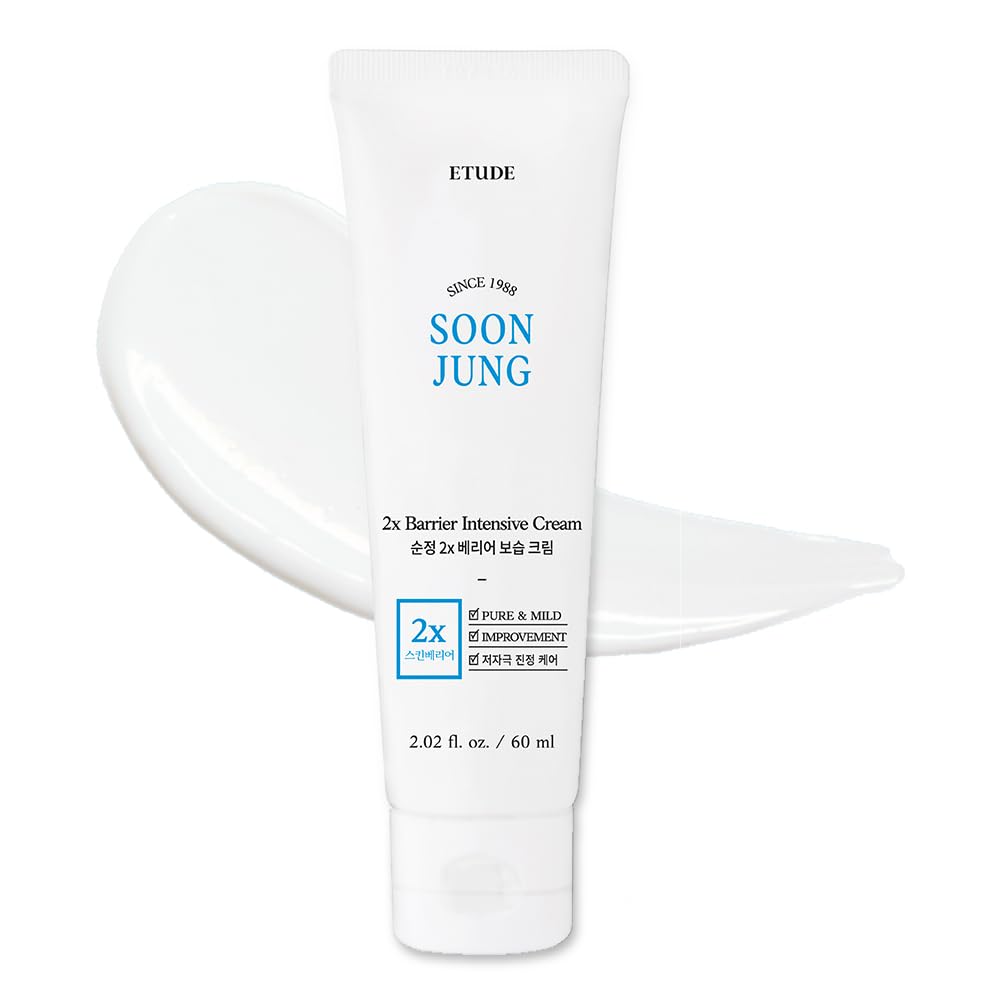
Recommended: Etude House Soon Jung 2x Barrier Intensive Cream – Perfect for sensitive or compromised skin, this moisturizer is gentle and deeply hydrating, working well under makeup or as a night cream.
Step 10: Sunscreen, every morning, no exceptions
The most important product in the entire Korean skincare routine.
How: about a quarter teaspoon for the face, or the two-finger measure. In practice most people apply between a fifth and a half of what’s needed, which cuts the real protection factor substantially.
Recommended: Missha All Around Safe Block Essence Sun Milk SPF50+ – This lightweight, non-greasy sunscreen offers broad-spectrum protection and absorbs quickly, making it great for daily use without any white cast.
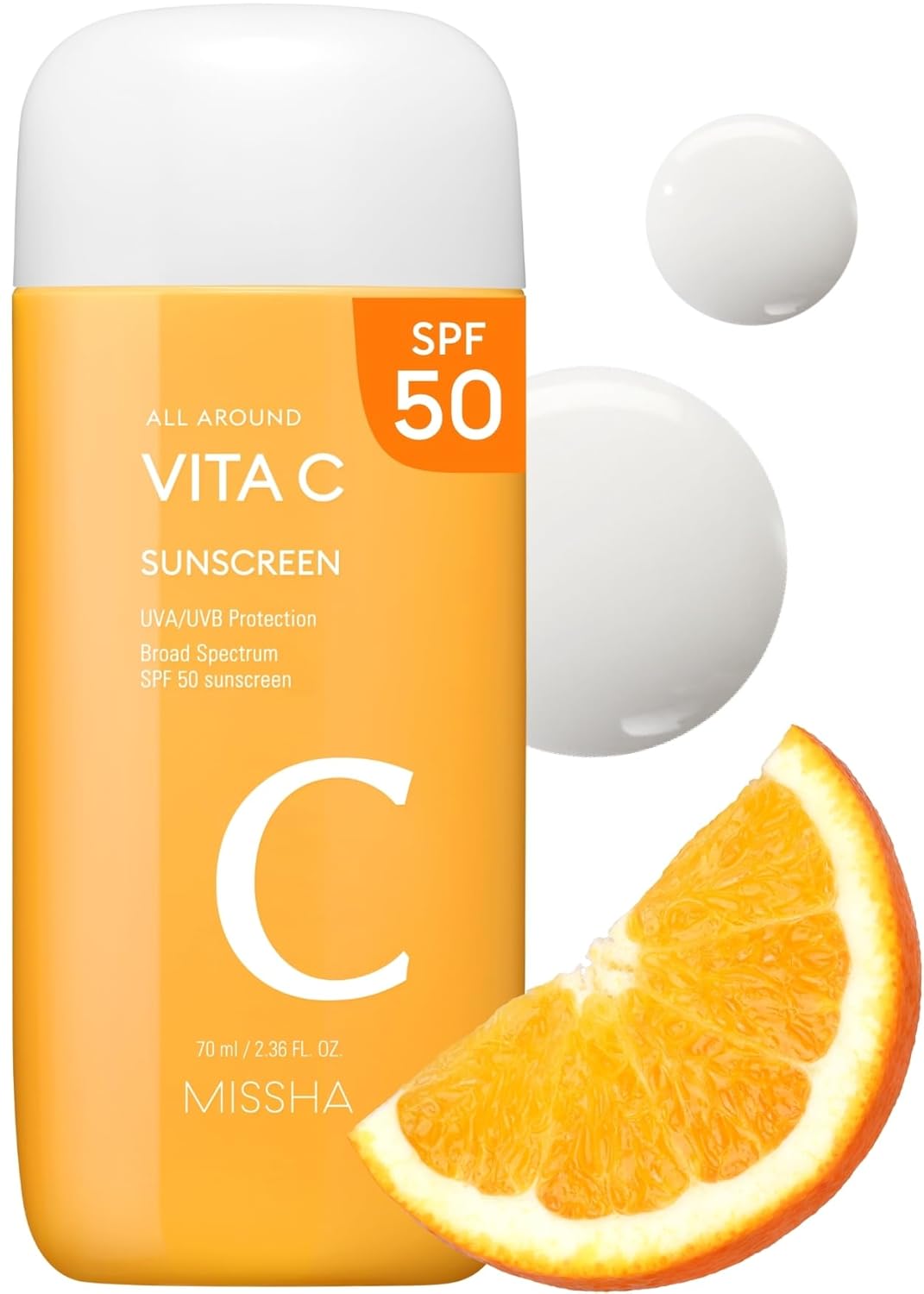
Korean sunscreens are widely liked for a reason. The textures are lighter and less greasy than many Western equivalents, which makes people more likely to actually wear them. If you’re stuck on which sunscreen to choose, texture is a better tiebreaker than SPF number, because the one you enjoy wearing is the one that gets used. And since morning application isn’t the end of it, learn how to reapply sunscreen over makeup before you write off reapplication as impossible.
Does snail mucin actually work?
It’s the most-asked question about any Korean skincare routine, and it deserves more than a product blurb.
What it is: snail secretion filtrate, the mucus snails produce, filtered and processed. It contains allantoin, glycolic acid, proteins, glycosaminoglycans and polyphenols, along with enzymes, peptides and trace minerals.
What the evidence says: research published in Biomolecules and Biomedicine in 2024 reports that snail mucus improves skin hydration, flexibility and smoothness, and describes its wound-healing effectiveness as well documented, with preclinical and clinical evidence for skin regeneration and inflammation reduction.
The honest caveat, which the same authors make: this is a short letter to the editor, not a large clinical review, and they say plainly that much about the composition remains unexplored and that further research is needed. Treat it as a promising, well-tolerated hydrating ingredient. Not a proven anti-ageing treatment.
So what should you expect? Better hydration, a plumper look, good tolerance for most people. Not pigmentation correction. Not wrinkle removal.
Does it hurt the snails? Reputable producers use harvesting methods that don’t kill the snails, but standards vary and the industry isn’t uniformly regulated. If it matters to you, check the individual brand’s stated process instead of assuming.
Can it cause breakouts? It’s generally considered non-comedogenic, but it’s a thick, film-forming texture. If you’re very acne-prone and you break out after starting it, the texture is a likelier culprit than the ingredient.
Glass skin: what a Korean skincare routine can and can’t deliver
“Glass skin” means skin so smooth and hydrated it looks reflective. It’s the aesthetic goal behind most K-beauty marketing, and it’s worth being honest about.
What’s achievable: a real improvement in hydration, smoothness and light reflection. Well-hydrated skin does look different, and layering hydrating products does produce that effect.
What isn’t: the pore-free, entirely uniform look in the marketing images. That involves genetics, professional treatments, lighting, makeup and editing in some combination. Pore size is largely genetic and no topical permanently shrinks it.
What actually gets you closest: consistent hydration, a barrier that’s working, daily sunscreen, and gentle exfoliation once or twice a week. That’s it, and it’s the same short list again, done for months rather than weeks.
If a Korean skincare routine promises glass skin in two weeks, that’s a marketing timeline, not a skin timeline. Cell turnover alone takes roughly a month.
A beginner’s month-one Korean skincare routine
Don’t start with ten products. Start with these, and add one every couple of weeks. It also helps to find your skin type first, because oily and dry skin want very different textures out of the same four steps.
Morning
- Water-based cleanser
- Hydrating toner
- Moisturiser
- Sunscreen
Evening
- Oil cleanser (only if you wore makeup or sunscreen)
- Water-based cleanser
- Hydrating toner
- Moisturiser
Once or twice a week: exfoliator, in the evening, on a night you skip everything else active.
After a month, if your skin is calm and comfortable, add a serum for your main concern. After another two weeks, add an essence or sheet masks if you want them.
How long before results? A Korean skincare routine doesn’t run on a two-week timeline. Hydration improves within days. Texture takes 4 to 6 weeks. Pigmentation takes 3 months or more. Anything promising faster is describing the water content of your skin rather than a change in it.
Frequently asked questions
Do you do all 10 steps every day?
No. Exfoliation is once or twice a week, sheet masks one to three times, and the oil cleanser is evening-only and only when you've worn makeup or sunscreen. Running all ten daily, especially daily exfoliation on top of actives, is the fastest way to wreck the barrier a Korean skincare routine is supposed to protect.
Does snail mucin actually work?
For hydration, yes. Research reports improvements in skin hydration, flexibility and smoothness, plus wound-healing effects described as well documented. The same authors are candid that much about its composition remains unexplored, so treat it as a good, well-tolerated hydrator rather than a proven anti-ageing active.
What’s the difference between toner, essence and serum?
Toner is the lightest and mainly adds hydration. Essence is slightly more concentrated and sits between toner and serum. Serum is the most concentrated and targets a specific concern. In practice toner and essence overlap heavily, so that's the pair to merge if you're simplifying.
Is the 10-step Korean skincare routine outdated?
The daily ten-step version is, yes. Korean skincare has shifted toward fewer, better-chosen products and a focus on barrier health and daily sunscreen. The individual steps are still valid and the order still makes sense. What's changed is the expectation that you run all of them every day.
Can I do a Korean skincare routine on a budget?
Yes, and it's one of K-beauty's real strengths, because the core products are inexpensive next to Western equivalents. Start with a cleanser, a hydrating toner, a moisturiser and a sunscreen. That's four products and a complete routine, and the same logic behind a drugstore routine under $50 applies here.
What order do you apply Korean skincare products?
Thinnest to thickest: cleansers, then toner, essence, serum, sheet mask, eye cream, moisturiser, and sunscreen last in the morning. Watery products can't penetrate a layer of cream, so lighter textures go first. If you're mixing brands or adding actives, the full layering order for any routine covers the cases this list doesn't.
Is glass skin real or a myth?
The hydration effect is real, and well-hydrated skin does reflect light differently. The completely pore-free look in marketing images isn't achievable with skincare alone, because pore size is largely genetic. Expect smoother and more luminous, not a filter.
How long does a Korean skincare routine take to work?
Hydration improves within days. Texture takes four to six weeks. Pigmentation takes three months or longer. Cell turnover alone runs about a month, so any product promising transformation in two weeks is describing surface hydration.
Reviewed August 2026. General information, not medical advice. See a board-certified dermatologist about persistent acne, pigmentation or reactions.

Hi, I’m Marwa ✅
I test skincare, haircare, and makeup on real skin and a real budget, and writes the honest reviews to prove it.