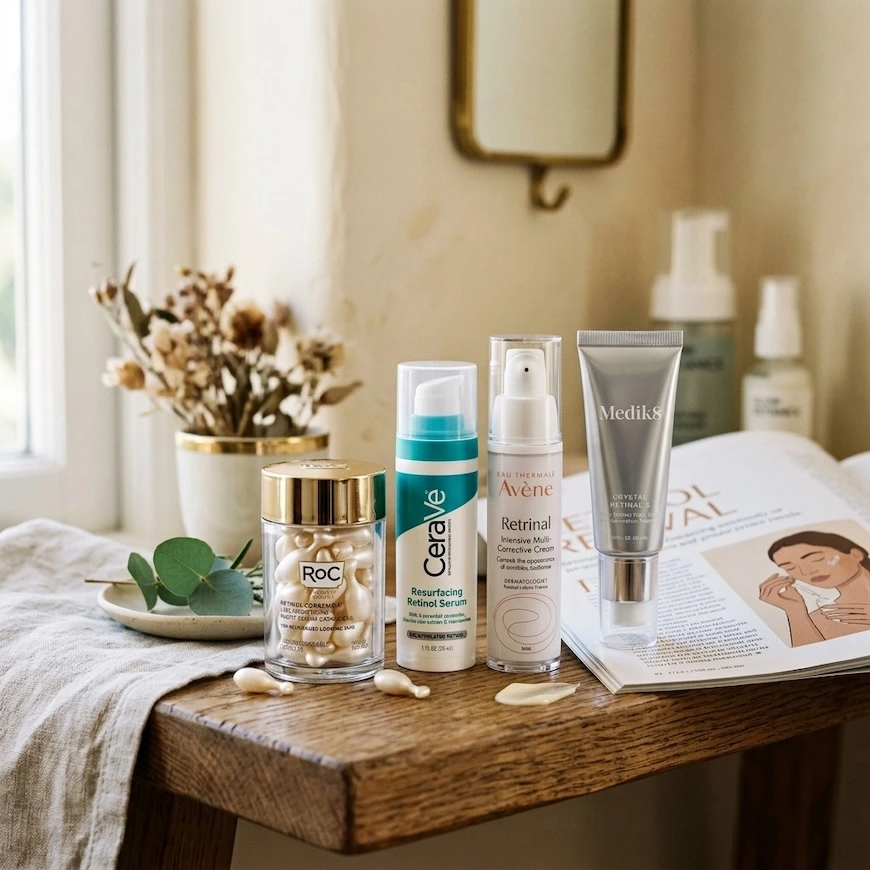
Quick Answer: Retinol is a vitamin A derivative your skin converts into retinoic acid, the form that actually works. Start with the lowest strength you can find, twice a week at night, on completely dry skin, with moisturiser over the top, and wear sunscreen every morning. Expect irritation for the first three to six weeks and visible results at twelve weeks, not one. Don’t use a retinol serum if you’re pregnant, trying to conceive, or breastfeeding, though if you used one before you knew, the 2026 research is reassuring.
Retinol is the most studied anti-ageing ingredient you can buy without a prescription. It’s also the one people most often abandon in week three, because nobody told them what the first month on a retinol serum feels like.
Retinol, retinoid, tretinoin: what the words actually mean
Nearly all the confusion here comes from four words being used as though they were one.
Retinoid is the umbrella term. It covers every vitamin A derivative used on skin, prescription and over the counter, strong and weak.
Retinol is one specific retinoid, and it’s the active in most over-the-counter retinol serum formulas.
Tretinoin (brand name Retin-A) is prescription-only in most countries. It’s retinoic acid itself.
Adapalene is a prescription-strength retinoid that has been sold over the counter in the US since 2016, as Differin. More on that below, because it’s the option most people are never told about.
Why only one of them actually does anything
Your skin can only use retinoids in one form: retinoic acid. Everything else has to be converted, and every conversion loses potency.
Retinyl esters → Retinol → Retinaldehyde → Retinoic acid
Retinyl palmitate sits at the far left and needs three conversions. By the time it turns into anything useful there’s very little left. When you see it high on the ingredient list of an anti-ageing cream, that’s mostly marketing.
Retinol needs two conversions. Retinaldehyde needs one, which is why it’s a genuinely good middle option that far too few people know about. Tretinoin needs none, which is why it works faster and stings more.
A 2024 review from the Centre for Dermatology Research at the University of Manchester calls all-trans retinoic acid the gold standard for skin rejuvenation, while noting it’s prescription-only and largely confined to clinical use. The cosmetic forms, retinol and retinaldehyde among them, come out as effective, safe and well tolerated.
Translation: the over-the-counter versions work. They work more slowly, and that’s the trade you make for being able to tolerate them at all.
| Type | Availability | Conversions needed | Best for |
|---|---|---|---|
| Retinyl palmitate | Over the counter | 3 | Very reactive skin, or nothing much |
| Retinol | Over the counter | 2 | Most beginners; texture, fine lines, tone |
| Retinaldehyde | Over the counter | 1 | Faster results, still tolerable. Underrated |
| Adapalene 0.1% | Over the counter in the US | 0, acts directly | Acne. The cheapest real retinoid there is |
| Tretinoin | Prescription | 0 | Wrinkles, acne scarring, pigmentation |
The percentage on the box is often meaningless
Every beginner’s guide tells you to buy a retinol serum at 0.2% to 0.5%. Here’s what they leave out: much of the time you can’t find out what you’re buying. The American Academy of Dermatology, quoting dermatologist Dr Anne Chapas, points out that over-the-counter products aren’t required to disclose the retinol percentage on the label or packaging at all. Her advice is to use the lowest formulation you can find.Which is why “what percentage is in CeraVe’s retinol serum” gets typed into Google thousands of times a month. It isn’t printed on the box.Three things matter more than the number.
Where retinol sits on the ingredient list. Ingredients are listed in descending order down to 1%. If retinol appears after the preservatives, there’s very little of it in there.
The delivery system and the packaging. Retinol is notoriously unstable, and light and air degrade it. An encapsulated retinol serum releases the active slowly, which usually means less irritation at the same strength. Look for an opaque tube or an airless pump. A retinol serum in a clear dropper bottle is a formulation red flag, because every time you open it, air gets in.
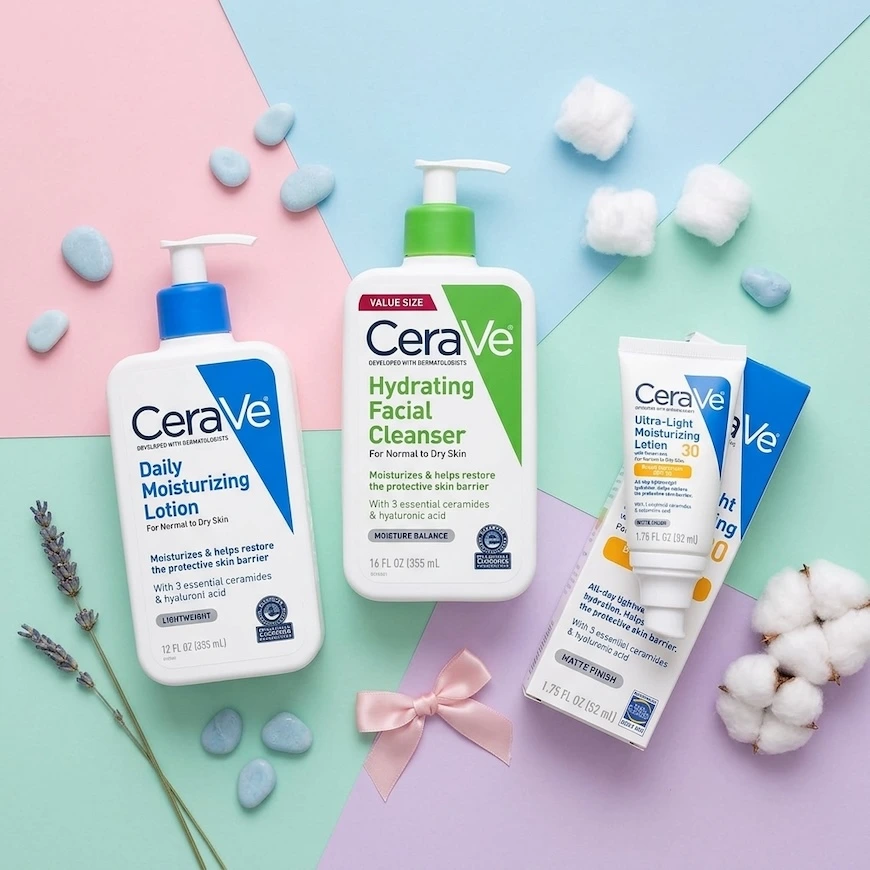
Whether the formula supports it. Niacinamide, ceramides, glycerin and panthenol alongside retinol make it far more tolerable. That’s the real reason CeraVe’s version suits beginners. It isn’t the strength, it’s the ceramides.
So start with the lowest strength you can identify, and where you can’t identify it, start with a retinol serum whose formula is built around tolerability. Then judge by how your skin responds over four weeks rather than by a number on a box.
How to start without wrecking your skin
The biggest mistake with any retinol serum is going too fast. Almost everyone who says retinol didn’t work for them used it every night for a fortnight, damaged their barrier, and stopped.
Weeks 1 to 4, twice a week. Monday and Thursday, or any two nights with a gap between them. That’s it.
Weeks 5 to 8, every other night, if and only if you had no peeling in the previous month.
Week 9 onwards, nightly, if your skin is comfortable. Plenty of people never get here and never need to. Three nights a week sustained for years will do more for your skin than nightly for six weeks followed by giving up.
The application itself:
- Cleanse, then wait. Retinol on damp skin penetrates faster and irritates more. Wait ten minutes until your face is completely dry.
- A pea-sized amount for the whole face. Not per area. A pea.
- Avoid the creases of the nose, the corners of the mouth, and the eyelids. Irritation shows up there first, and the skin around your eyes is thinner than the rest of your face by a noticeable margin.
- Moisturiser on top. Always, from night one.
- Sunscreen every morning. Not optional. Retinol increases photosensitivity, and using it without daily SPF undoes the point of using it.
If you’re nervous, buffer it: moisturiser first, then retinol on top, then more moisturiser. It slows absorption and slightly reduces potency, which for a beginner is exactly what you want. Where a retinol serum sits in a full routine matters less than most people think, as long as it goes on dry skin and moisturiser follows.
What the first month actually feels like
Nobody warns people about their first retinol serum properly, so here’s the truthful version.
| Weeks | What’s normal | What isn’t |
|---|---|---|
| 1 to 2 | Nothing, or slight tightness | Burning that continues after rinsing |
| 3 to 4 | Flaking around the nose and mouth. Tightness. Possible small breakouts. | Raw, weeping or swollen skin |
| 5 to 8 | Flaking settles. Skin feels smoother. | Persistent stinging from water or moisturiser |
| 9 to 12 | Texture visibly improved | |
| 12+ | Pigmentation and fine lines begin to change |
About purging. You’ll see it everywhere as proof retinol is working. Be careful with that idea. Faster turnover can bring existing congestion to the surface sooner, so some early breakouts are plausible. But “it’s purging, push through” is also the story people tell themselves while a genuine irritant reaction gets worse.
Rough guide: congestion surfacing where you usually break out, settling within six weeks, is probably purging. New breakouts somewhere you never break out, or breakouts still worsening at week eight, are not.
Stop entirely if your skin is raw, weeping, stinging from plain water, or if moisturiser burns. That’s a damaged barrier, not progress. Drop the retinol serum, go back to a plain cleanser and moisturiser for two weeks, then restart at half the frequency. Persistent dryness and flaking that doesn’t settle is a signal to slow down, not to push harder.
Retinol and pregnancy: the honest answer
Short version: don’t use a retinol serum if you’re pregnant, trying to conceive, or breastfeeding. The AAD is unambiguous that retinoids should be avoided in pregnancy, and that guidance hasn’t changed.
Longer version, because most people searching this are looking for something else. Usually they’ve already used it, and they’re frightened.
The fear comes from oral isotretinoin, the acne drug taken as a capsule. It’s a serious, well-established teratogen, which is why patients taking it must use two forms of contraception. That’s real, and it’s where the caution around all vitamin A derivatives began.
Topical retinoids are a different exposure, and until recently there wasn’t good data. Now there is.
A Nordic registry study in the British Journal of Dermatology analysed births across Denmark, Iceland, Norway and Sweden from 1996 to 2020, nearly 3.9 million in total. Among 2,172 infants exposed to topical retinoids in the first trimester, 3.3% had a major congenital malformation, against 3.0% among unexposed infants. After adjustment for maternal age, country and birth year, the difference wasn’t statistically significant. The same study found topical retinoid use among women of reproductive age has more than tripled since 2006.
A 2026 meta-analysis pooling eight studies and 3,632,118 pregnancies reached the same place: no significant association with malformations, and none with miscarriage either.
Both halves of this matter. The authors of both papers still say to avoid topical retinoids in pregnancy, and they’re right, because the precaution costs you almost nothing. They also say the findings should reassure women who used one before they knew. The meta-analysis is candid that its result leans heavily on that single large registry study, so this isn’t a green light. It’s a reason not to spend six months frightened. Tell your midwife or doctor and move on.
What to use instead while pregnant: check with your own doctor, but the alternatives usually considered acceptable are azelaic acid, glycolic and lactic acid, niacinamide, and vitamin C. Azelaic acid is the most useful substitute, and there’s decent evidence behind it. In one study of pregnant women with acne, azelaic acid 20% cut lesion counts by about 64%, ahead of both clindamycin and erythromycin.
Who should be more careful, or skip it
If you have rosacea, eczema, or persistently red, inflamed skin. The AAD is direct here: someone with a lot of redness or inflammation should avoid retinoids and ask a dermatologist about treatments aimed at rosacea instead. It also notes that people with skin allergies or dryness generally aren’t good candidates. This is the opposite of the usual advice to push through with sensitive skin.
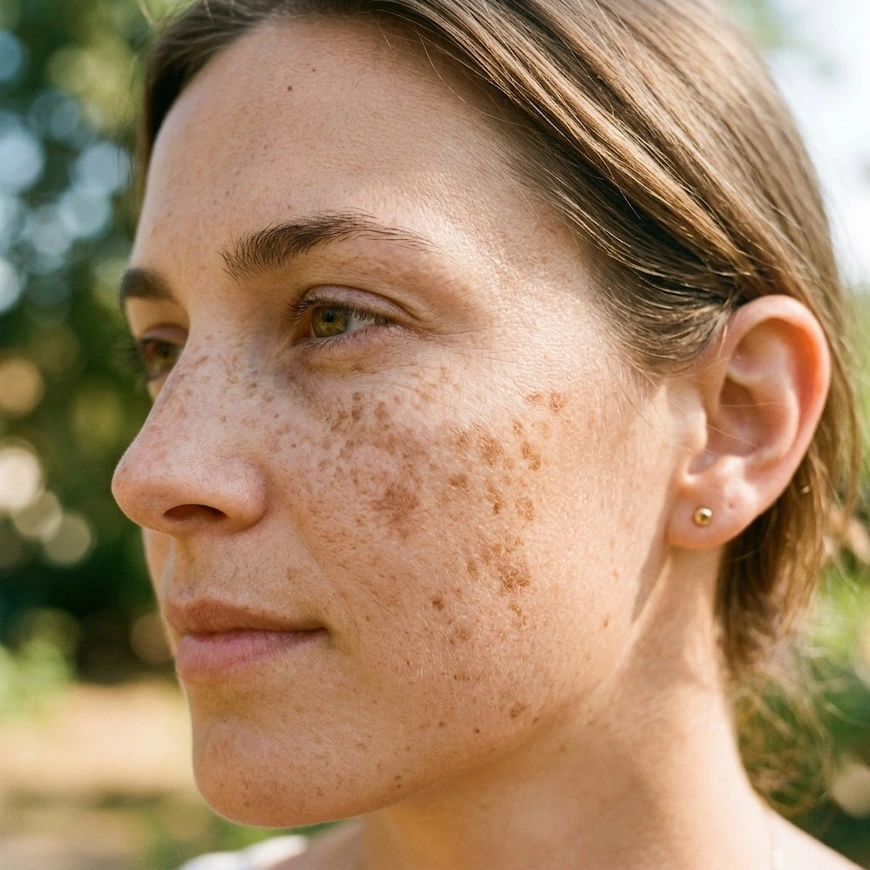
If you have a deeper skin tone. This matters and almost nobody says it. The AAD’s guidance, via dermatologist Sonia Badreshia-Bansal, is that in skin of colour irritation can trigger dark marks, and that going slowly and using moisturiser helps prevent it.
The irony is sharp. Retinol is one of the better treatments for pigmentation, and used too aggressively it causes exactly what you’re treating. That’s not a reason to avoid it. It’s a reason to go slower than guidance written for lighter skin, and to treat flaking as a signal rather than a stage to get through.
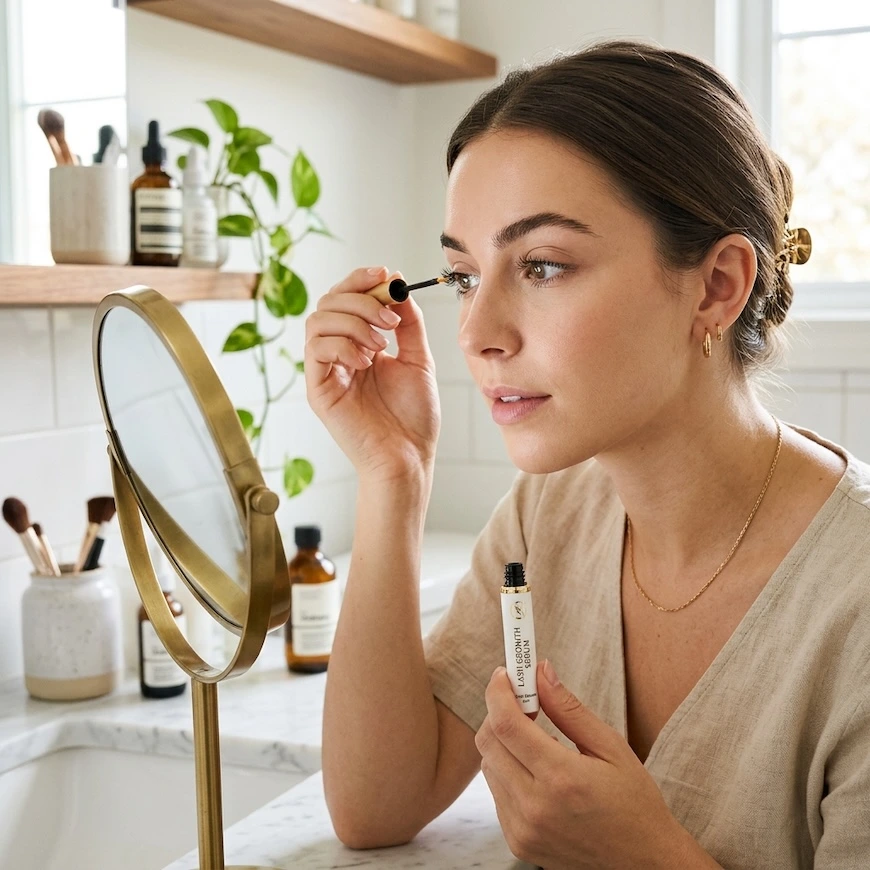
If you’re using other actives. Retinol plus AHAs, BHAs or benzoyl peroxide on the same night is how most beginners wreck their barrier. Use alternate nights instead. The same applies to a lash serum near the eye, where two actives on thin skin compound each other quickly.
If you have moderate to severe acne, or acne tied to your cycle. The AAD’s advice is to see a dermatologist rather than start with an over-the-counter product. A prescription gets you there faster.
The retinol serums I’d actually recommend
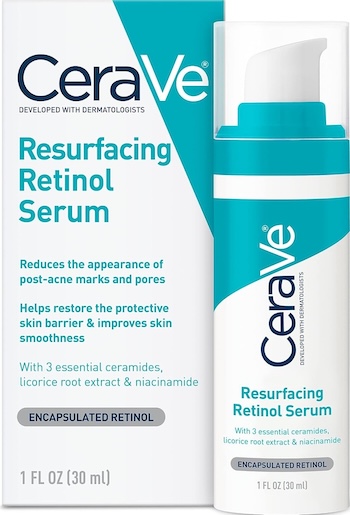
1. CeraVe Resurfacing Retinol Serum, best for beginners
The formula most likely to be tolerated by someone who has never used a retinoid. What makes it work isn’t the strength, it’s the ceramides and niacinamide alongside the encapsulated retinol, which offset the dryness that makes people quit. Lightweight, fragrance-free, opaque packaging.
Start twice a week. Get through a month without flaking and you can move to alternate nights.

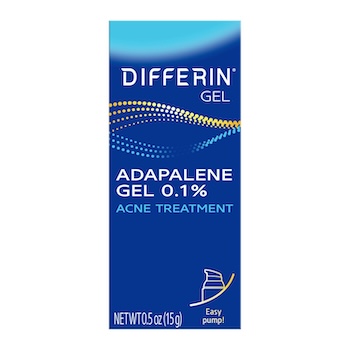
2. Differin Adapalene Gel 0.1%, best value and the best evidence
The cheapest real retinoid you can buy, and where I’d start if breakouts rather than wrinkles are the problem. No conversion needed, prescription-strength, and backed by far more clinical data than any cosmetic retinol serum.
The first six weeks can be dry. Buffer with moisturiser and don’t increase frequency until that settles.
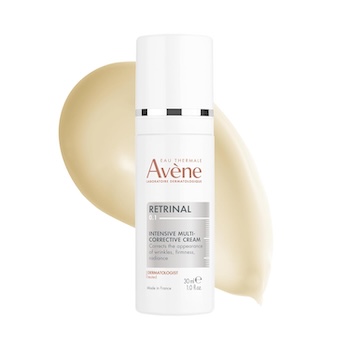
3. A retinaldehyde serum, the underrated middle ground
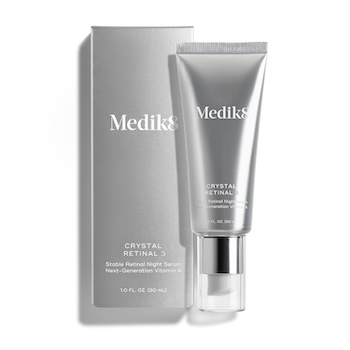
Choose one you’ve tested and can stand behind. Avène Retrinal and Medik8 Crystal Retinal are the two most widely available.
Retinaldehyde is one conversion step from retinoic acid instead of two, so it works faster than retinol while staying considerably more tolerable than tretinoin. Six months into a retinol serum and want more without a prescription? This is the logical next step, and hardly anyone talks about it.
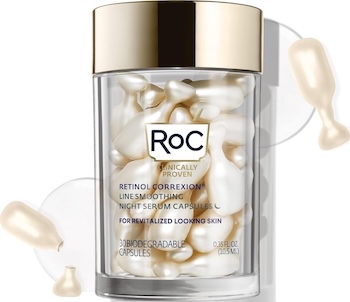
4. RoC Retinol Correxion Deep Wrinkle Night Serum, for established users
A long-standing option aimed at deeper lines rather than acne. Not a starting point. Come to this after several months on something gentler. Opaque packaging, which matters more than the brand gets credit for.
As an Amazon Associate I earn from qualifying purchases. If you buy through a link on this page I may receive a small commission at no extra cost to you.
Frequently asked questions
What’s the difference between retinol and retinoid?
Retinoid is the umbrella term for all vitamin A derivatives used on skin. Retinol is one specific retinoid, the active in most over-the-counter retinol serum formulas. Your skin converts retinol into retinoic acid in two steps, and only retinoic acid is active, which is why prescription tretinoin works faster and irritates more.
What percentage should a beginner use?
The lowest-strength retinol serum you can find. The complication is that over-the-counter products aren't required to disclose the percentage at all, so for many serums you simply can't know. Where the number isn't available, judge by where retinol sits on the ingredient list, whether the packaging is opaque or airless, and whether the formula includes ceramides or niacinamide to offset irritation.
How long until a retinol serum works?
Twelve weeks for anything meaningful. Texture and brightness may improve around week eight; fine lines and pigmentation take longer. Any product promising results in a week is describing hydration, not retinoid activity.
Can I use retinol with vitamin C?
Yes, on different schedules. Vitamin C in the morning, retinol at night. That suits both ingredients anyway, since vitamin C pairs well with sunscreen and retinol belongs at night.
Can I use retinol around my eyes?
Not on the eyelid itself, and not from night one. The skin there is thinner and irritates first. Once your face tolerates a retinol serum comfortably you can extend to the orbital bone, the ridge you can feel under your eyebrow and beneath your eye, but stay off the lid.
Does retinol thin the skin?
No. The myth comes from the peeling people see in the first month, which is surface exfoliation. Retinoids increase collagen production and thicken the dermis over time. The outermost layer may thin slightly. The structural layer beneath it does the opposite.
Do I really need sunscreen with retinol?
Yes. Retinol increases photosensitivity, and sun exposure is the main cause of the wrinkles and pigmentation you're using it to address. A retinol serum without daily SPF is spending money to run in place.
Can I use retinol every night?
Eventually, if your skin is comfortable, but there's no prize for getting there. Three nights a week sustained for a year does more than nightly for six weeks followed by quitting. Consistency beats intensity here more than in almost any other category.

Hi, I’m Marwa ✅
I test skincare, haircare, and makeup on real skin and a real budget, and writes the honest reviews to prove it.